
Introduction to Korean Beef Bulgogi Rice Bowls
If you're looking for a delicious and easy dinner that combines amazing flavors with minimal effort, Korean Beef Bulgogi Rice Bowls are your answer! This delightful dish features tender, marinated ground beef served over rice, making it a versatile meal option for busy weeknights. What sets this dish apart is the authentic Bulgogi marinade infused with grated apple and onion, which brings a unique sweetness and depth of flavor that elevates it from your typical stir-fry.
Not only are these rice bowls packed with flavor, but they're also entirely customizable. You can load them with your favorite fresh vegetables, such as julienned carrots and baby spinach, or even swap rice for noodles or lettuce wraps. Plus, the assembly is as joyful as it is straightforward—just pile on the ingredients and drizzle with a savory sauce before diving in!
Want to impress your friends at your next dinner party without breaking a sweat? Korean Beef Bulgogi Rice Bowls deliver that restaurant-quality experience effortlessly. Check out this article for more tips on mastering Korean cuisine at home! They’re not just a meal; they’re an experience waiting to be created in your kitchen.
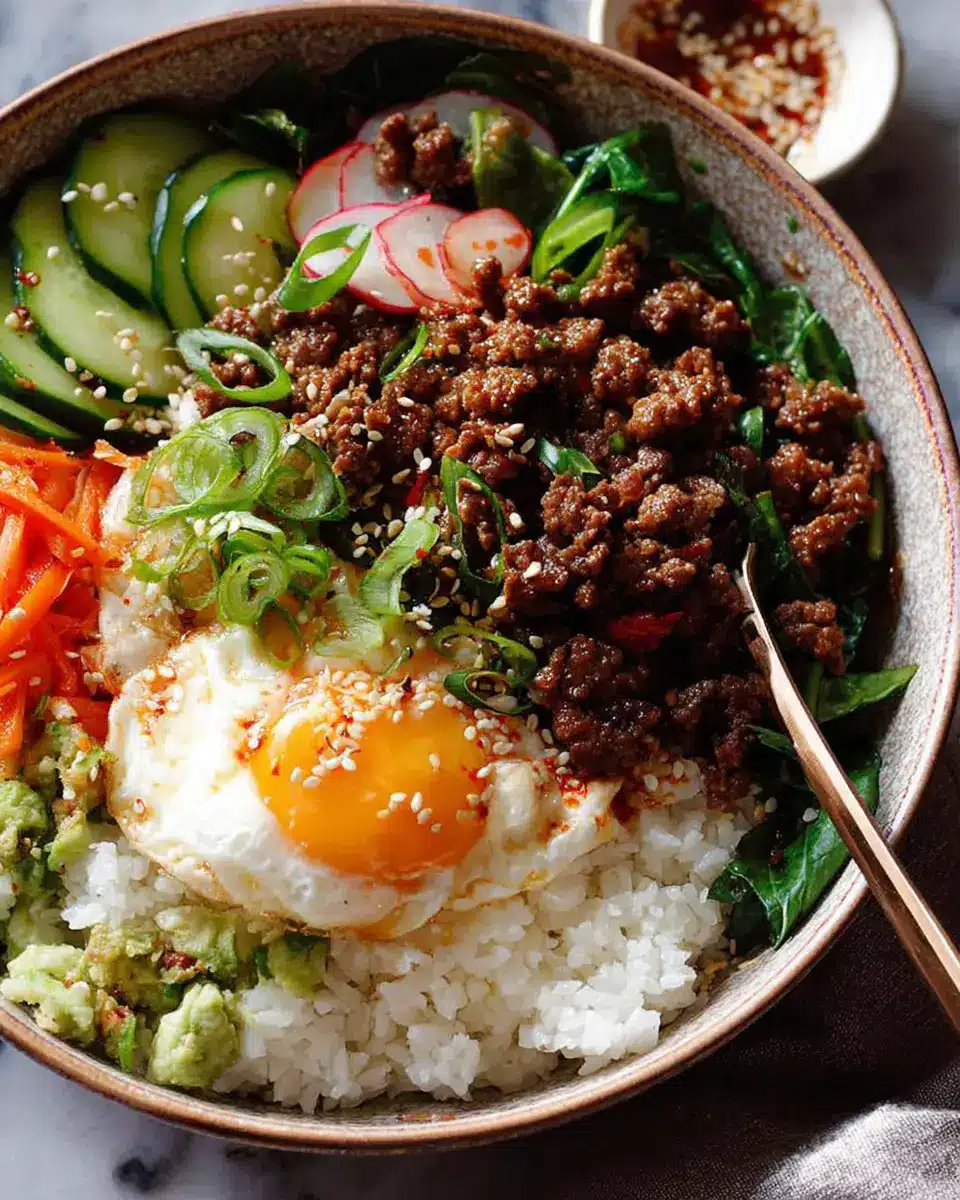
Ingredients for Korean Beef Bulgogi Rice Bowls
Main ingredients
Creating your Korean Beef Bulgogi Rice Bowls starts with a simple yet flavorful combination of ingredients. You’ll need:
- 500g (1 lb) beef mince (any fat percentage works)
- 1 tablespoon canola oil for cooking
- For the Bulgogi sauce:
- 1 tablespoon finely grated onion (about ¼ onion)
- 3 tablespoon finely grated red apple (skin on)
- 3 garlic cloves, finely grated
- 1 teaspoon ginger, finely grated
- 2 ½ tablespoon soy sauce
- 1 tablespoon sesame oil
- 1 tablespoon mirin (or skip for no alcohol)
- 1 tablespoon brown sugar
- ⅛ teaspoon black pepper
These ingredients come together to create that magical, authentic bulgogi flavor you crave!
Optional toppings and variations
To customize your bowls, consider these optional toppings:
- White rice (medium or short grain)
- Baby spinach or other leafy greens
- Julienned carrot
- Mashed avocado
- Pickled ginger
- Torn romaine lettuce
- White sesame seeds
- Finely sliced green onion
Feel free to get creative—add diced kimchi or stir-fried vegetables for an extra burst of flavor! Want a healthier spin? You could swap rice for quinoa or use lettuce wraps instead.
These options ensure you're not just eating but truly enjoying every bite of your Korean Beef Bulgogi Rice Bowls! For more tips on variations, check out this guide to bulgogi.
Preparing Korean Beef Bulgogi Rice Bowls
Creating Korean Beef Bulgogi Rice Bowls is not just about following a recipe; it’s about infusing your meal with flavors and enjoying the cooking process. This dish is a fantastic gateway into Korean cuisine and is simpler than you might think. Let’s break it down step by step!
Prepare the Bulgogi Marinade
The key to a delicious bulgogi lies in the marinade. This mixture not only adds taste but also tenderizes the ground beef. To prepare, simply combine:
- 1 tablespoon finely grated onion
- 3 tablespoons finely grated red apple
- 3 finely grated garlic cloves
- 1 teaspoon finely grated ginger
- 2.5 tablespoons soy sauce
- 1 tablespoon sesame oil
- 1 tablespoon mirin (or omit it entirely)
- 1 tablespoon brown sugar
- ⅛ teaspoon black pepper
Mix all these ingredients in a bowl until well combined. Don’t shy away from the apple and onion—they’re the secret stars that elevate your bulgogi from ordinary to extraordinary! For more on the benefits of cooking with fruit in savory dishes, check out this cooking tips guide.
Wilt the Spinach
In a large non-stick pan over high heat, warm 2 teaspoons of canola oil. Add half of the 4 large handfuls of baby spinach and toss with tongs for about 30 seconds or until it begins to wilt. Stir in the remaining spinach and cook until fully wilted, which should take about 1 minute. Once done, transfer your spinach to a bowl and set it aside. The vibrant color and nutrients of spinach make for a perfect companion to the savory bulgogi.
Cook the Beef
Now it’s time to bring the bulgogi to life! Heat 1 tablespoon of oil in the same pan and add your 500g of beef mince. Break it up as it cooks over high heat until there’s no raw beef left. Pour in your prepared bulgogi marinade, allowing it to simmer rapidly as the sauce reduces and the beef caramelizes slightly, adding a delicious texture. This phase should take about 5-7 minutes.
Assemble the Rice Bowls
With everything cooked, it’s time for the fun part—assembly! Start by spooning your beef bulgogi over a generous serving of white rice. Then, layer on the wilted spinach and some finely julienned carrot for extra crunch. Tuck in some torn romaine or baby cos lettuce, a dollop of mashed avocado, and a dash of pickled ginger for an extra flavor kick. Sprinkle with white sesame seeds and sliced green onion to give it that finishing touch.
Drizzle Sauce and Finish Up
Before serving, add a lovely drizzle of your sauce mixture made from 2 tablespoons soy sauce, 1 tablespoon sesame oil, 2 teaspoons brown sugar, and 2 teaspoons rice vinegar. This sauce ties all the elements together beautifully. Once everything is drizzled, feel free to jumble it all before digging in! Each bite is a delightful explosion of flavors that truly makes this Korean Beef Bulgogi Rice Bowl special.
Enjoy your culinary creation, and don't forget to share your photos with friends—you'll want them to experience this dish too!
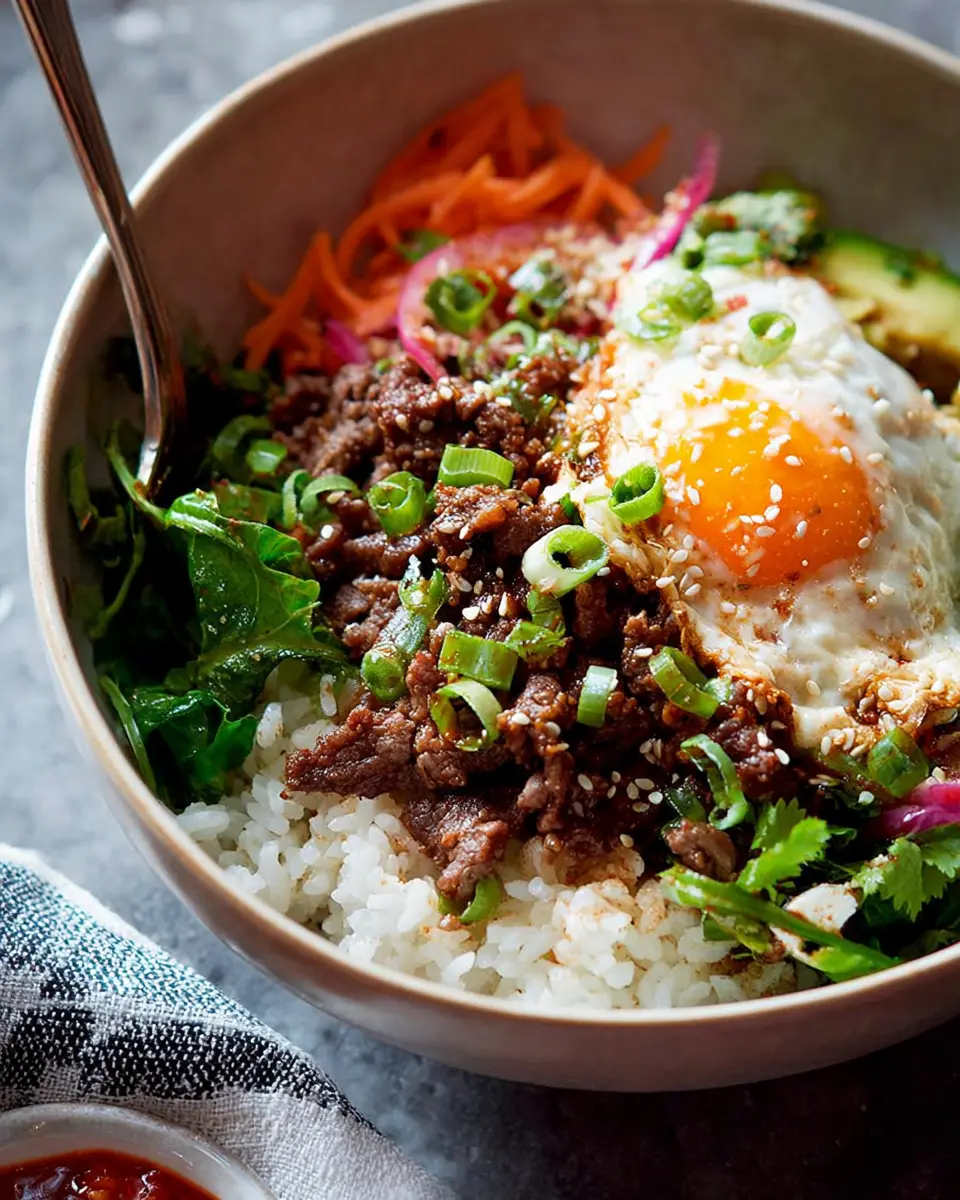
Variations on Korean Beef Bulgogi Rice Bowls
Bulgogi with Noodles
Switching things up? Try serving your Korean Beef Bulgogi Rice Bowls over stir-fried noodles instead of rice! The savory beef pairs perfectly with udon or soba noodles, creating a delightful, slurpy meal. Add a splash of soy sauce and some sesame seeds for garnish, and don't forget to toss in colorful vegetables for extra nutrition.
Vegetarian Bulgogi Options
For a plant-based twist on your bulgogi rice bowls, consider using marinated mushrooms or tofu as your protein. Simple swaps like these can give you the same tender and flavorful experience without the meat. With the right marinade—perhaps using nut butter and miso paste alongside the traditional apple and onion—you’ll have a delicious alternative that even meat lovers might enjoy! If you're exploring more vegetarian options, check out resources like Meatless Monday for inspiration.
Cooking Tips and Notes for Korean Beef Bulgogi Rice Bowls
Importance of Finely Grated Apple and Onion
When making Korean Beef Bulgogi Rice Bowls, don't underestimate the impact of finely grated apple and onion. The apple introduces natural sweetness, creating flavor layers that regular sugar simply can’t match. Meanwhile, the grated onion infuses the beef with rich, savory notes that diced onion can’t achieve. This technique is a staple in authentic Korean cooking, setting your dish apart from generic Asian sauces. A microplane works wonders for achieving that fine texture!
Storing and Reheating Leftovers
Leftovers? No problem! Your cooked bulgogi beef can be stored in the fridge for up to three days or frozen for up to three months. When you're ready to indulge again, simply reheat it in a skillet with a splash of water to keep it moist and tender. This way, you can savor the deliciousness of your Korean Beef Bulgogi Rice Bowls even on busier days. For more tips on reheating, check out resources like Serious Eats. Enjoy!
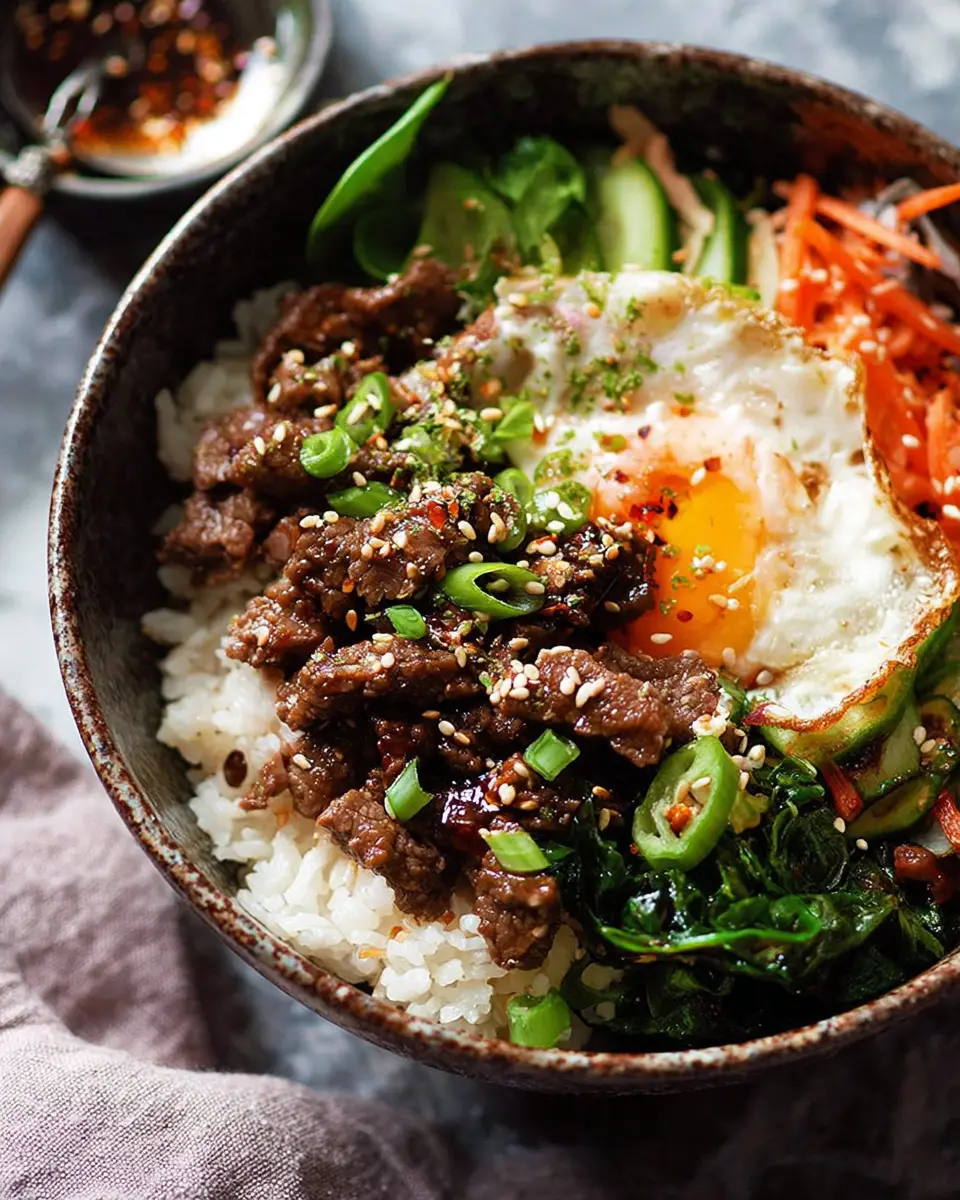
Serving suggestions for Korean Beef Bulgogi Rice Bowls
Creative serving ideas and pairings
When it comes to Korean Beef Bulgogi Rice Bowls, the serving options are almost limitless! For an easy weeknight dinner, pair your bulgogi with fluffy white rice, or switch it up with warm, stir-fried noodles for a delightful twist. Feeling adventurous? Try wrapping your beef in rice paper for fresh, handheld bites or assemble burritos with your favorite toppings.
Consider layering your bowl with a mix of sautéed vegetables, like colorful bell peppers or snap peas, for added nutrition and crunch. Don’t forget to garnish with fresh herbs like cilantro or mint for a burst of flavor! For extra zing, add a side of kimchi, a traditional Korean fermented dish, to get that lovely tang.
With bulgogi’s savory-sweet profile, it pairs well with tangy pickled veggies, making for a mouthwatering combination. So go ahead, experiment, and discover your perfect bowl!
Time Breakdown for Korean Beef Bulgogi Rice Bowls
Preparation Time
Set aside 15 minutes to prepare your ingredients. This includes grating the apple and onion, chopping vegetables, and mixing the sauces. Trust me, a little prep goes a long way in elevating your Korean Beef Bulgogi Rice Bowls!
Cooking Time
The cooking process is quick and easy—just 10 minutes! You’ll be amazed at how fast you can whip up this flavorful dish, making it perfect for those busy weeknights.
Total Time
In just 25 minutes, you can enjoy a delicious homemade Korean beef rice bowl. It’s a satisfying meal that caters to your cravings for authentic flavors without the fuss. Dive into this recipe and surprise yourself with how effortless it can be!
For more tips on quick and easy meals, check out this resource on time-saving cooking techniques.
Nutritional Facts for Korean Beef Bulgogi Rice Bowls
Calories per Serving
Each serving of these delicious Korean Beef Bulgogi Rice Bowls contains approximately 543 calories. This makes it a satisfying option that won’t push you over your daily caloric intake while keeping you energized!
Nutritional Highlights
- Protein: With 27g of protein per serving, these bowls are great for muscle repair and energy.
- Carbohydrates: Coming in at 59g, the carbs mainly come from wholesome rice and veggies.
- Healthy Fats: At 22g of fat, including good sources from the sesame oil and avocado, you'll enjoy a well-rounded meal.
- Vitamins: A hefty dose of Vitamin A (4344 IU) and Vitamin C (11mg) helps support your immune health.
- Fiber: With 4g of fiber, this recipe aids digestion and keeps you feeling full longer.
Whether you're meal prepping for busy weekdays or planning a delightful dinner, these Korean Beef Bulgogi Rice Bowls not only taste great but also pack in essential nutrients! For more on health benefits, check out studies from sources like the Harvard T.H. Chan School of Public Health and ChooseMyPlate.gov.
FAQs about Korean Beef Bulgogi Rice Bowls
Can I use a different type of meat?
Absolutely! While this recipe highlights the rich flavors of beef, you can easily swap it for chicken, turkey, or even tofu for a plant-based option. Each choice will bring its own unique taste to your Korean Beef Bulgogi Rice Bowls, so feel free to experiment based on what you love or have on hand.
How do I make it gluten-free?
To make your Korean Beef Bulgogi Rice Bowls gluten-free, switch the regular soy sauce for gluten-free tamari. It provides a similar umami flavor without the gluten. Always check labels on other ingredients like mirin—some brands are gluten-free, while others may not be.
What can I substitute for sesame oil?
If you're out of sesame oil, you can use an alternative like vegetable oil or olive oil, though they won’t replicate the unique nutty flavor. Roasted peanut oil is another fantastic option if you’ve got it on hand. Just remember, sesame oil is what gives that authentic bulgogi taste, so it’s worth trying to include!
For more tips, check out this article on Korean cuisine. Enjoy your cooking!
Conclusion on Korean Beef Bulgogi Rice Bowls
Why you should try making this dish at home
Making Korean Beef Bulgogi Rice Bowls at home is a delightful experience! Not only is it budget-friendly, using ground beef rather than pricier cuts, but it also infuses your kitchen with delightful aromas from the traditional Bulgogi marinade. With just 25 minutes of prep and cook time, you can whip up a delicious and colorful meal that’s incredibly versatile. Serve it over rice, mix it into noodles, or craft tasty tacos. Plus, the balance of flavors—from the sweet apple and onion to the savory sesame oil—creates a meal that is not just filling, but utterly satisfying. Why not treat yourself to a taste of Korea tonight? Check out more tips on making Korean cuisine at Korean Bapsang for inspiration!
Korean Beef Bulgogi Rice Bowls – The easy way!
Equipment
- large non-stick pan
Ingredients
Meat
- 500 g beef mince (ground beef) any fat % you like
Cooking Oil
- 1 tablespoon canola oil or any other plain flavoured oil
- 2 teaspoon canola oil to wilt baby spinach
Bulgogi Sauce
- 1 tablespoon onion finely grated (~¼ onion)
- 3 tablespoon red apple finely grated (skin on is fine, ~½ apple)
- 3 cloves garlic finely grated
- 1 teaspoon ginger finely grated
- 2.5 tablespoon soy sauce all-purpose or light
- 1 tablespoon sesame oil
- 1 tablespoon mirin omit for no alcohol
- 1 tablespoon brown sugar
- ⅛ teaspoon black pepper
Rice Bowl Drizzle Sauce
- 2 tablespoon soy sauce all-purpose or light
- 1 tablespoon sesame oil
- 2 teaspoon brown sugar
- 2 teaspoon rice vinegar or apple cider vinegar
Rice Bowl Ingredients
- white rice medium or short grain, if you can
- 4 large handfuls baby spinach or similar chopped leafy greens - cabbage, kale
- 1 large carrot peeled and julienned or grated
- 1 large avocado mashed
- ¼ cup pickled ginger preferably pink for colour
- 1.5 cups baby cos / romaine lettuce torn into bite size pieces
- 1 teaspoon white sesame seeds
- 1 piece green onion finely sliced
Instructions
Preparation
- Mix the Bulgogi sauce in a bowl, and the rice bowl drizzle sauce in a separate bowl.
- Heat the 2 teaspoons of oil in a large non-stick pan over high heat. Add half the spinach, toss with tongs until semi wilted (~30 sec), then add the rest. Toss until wilted (~1 minute) then remove into a bowl.
- Add 1 tablespoon oil to the pan. Still on high heat, add the beef and cook, breaking it up as you go, until you no longer see raw beef. Add the Bulgogi sauce, then let it simmer rapidly, stirring every now and then, until the sauce is mostly evaporated. Then stir regularly until the beef gets a bit of lovely caramelisation on it, but is still moist from the sauce.
- Spoon beef over rice, place spinach and carrot. Top with pickled ginger and a dollop of mashed avocado. Tuck lettuce down the side. Sprinkle with sesame seeds and green onion. Serve with sauce for drizzling all over everything before jumbling it all up and digging in!


Leave a Reply