
Introduction to Portokalopita Recipe
What is Portokalopita?
Portokalopita is a delightful Greek dessert that translates to orange pie. This cake features a unique combination of delicate phyllo dough layered with a creamy, orange-infused custard. Instead of being baked in a traditional pie crust, the phyllo adds an airy quality and a subtle crunch, creating a perfect balance of textures.
The recipe’s essence lies in its straightforward method, making it accessible even for novice bakers. It stands as a beloved treat throughout Greece, often served at special gatherings and family celebrations.
The Irresistible Charm of This Greek Orange Cake
One bite of portokalopita transports you to sun-soaked Mediterranean landscapes, thanks to its burst of fresh orange flavors. The warm orange syrup drizzled over the cake enhances the natural sweetness and adds a glossy finish.
Not only is this dessert pleasing to the palate, but it also offers a spectacular presentation. The toasted edges of the phyllo glisten invitingly, while the rich custard beneath promises to melt in your mouth. If you’re craving a dessert that’s both elegant and simple, this portokalopita recipe is definitely worth trying. You can even make it a day ahead; the flavors deepen beautifully overnight!
For an authentic touch, use high-quality olive oil and honey. Check out The Mediterranean Dish Shop for ingredients that elevate this classic.
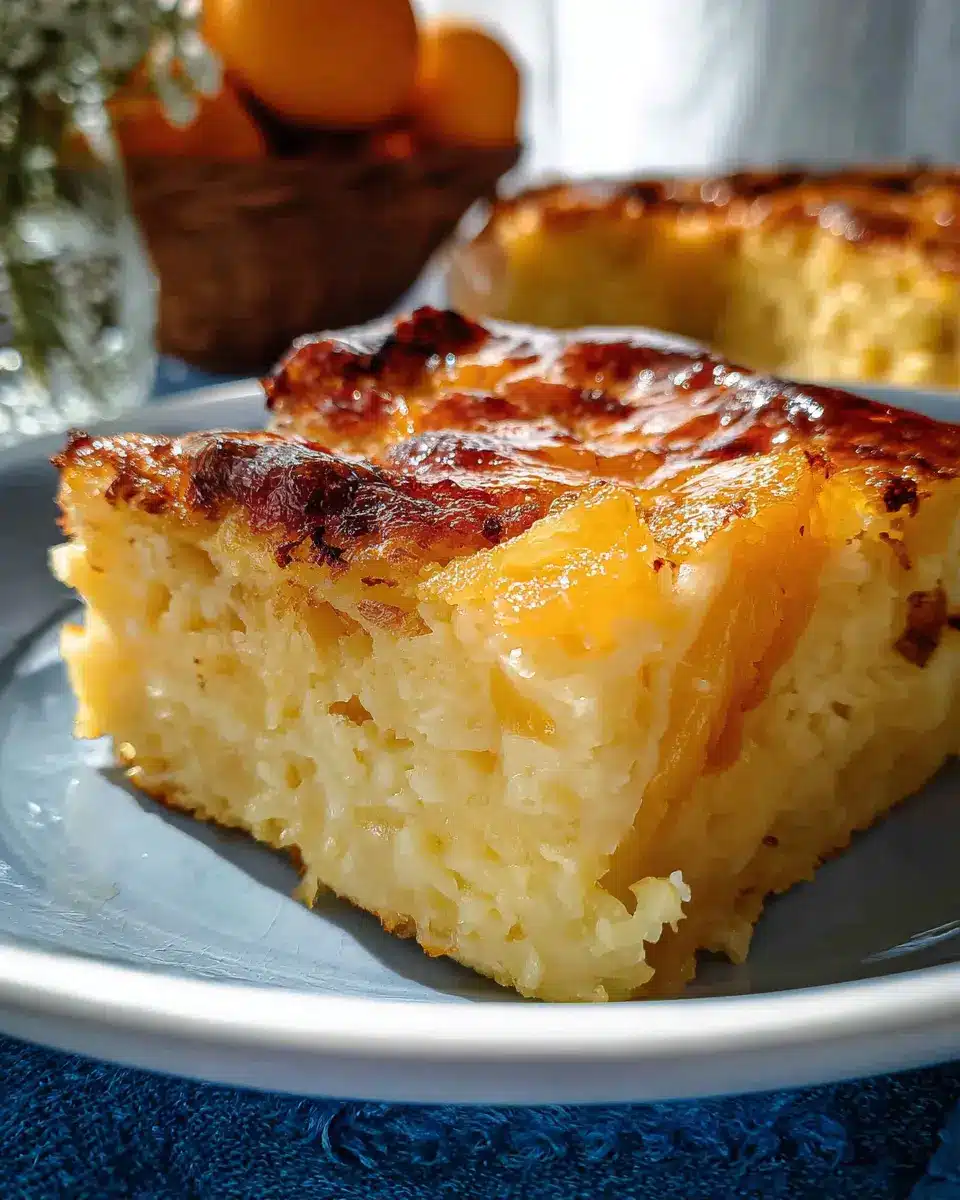
Ingredients for Portokalopita
Creating the perfect Portokalopita, the delightful Greek orange cake, relies on a few essential ingredients. Here’s what you’ll need:
Essential ingredients for the syrup
The syrup is what takes this cake to a whole new level of deliciousness. For the honey-orange syrup, gather:
- ½ cup freshly squeezed orange juice: This adds a zesty brightness.
- 1 ½ cups water: Balances the sweetness.
- 1 cup honey: Sweetens the deal and adds floral notes.
- ½ cup granulated sugar: Helps create a thick, glossy finish.
These ingredients combine to create a syrup that brings moisture and flavor, soaking into the cake to enhance each bite.
Key ingredients for the orange cake
Now, let’s talk about the cake itself. The star ingredients for this delightful orange cake include:
- 1 pound phyllo dough: The foundation of our cake, adding a light, crispy texture.
- 5 large eggs: Key for richness and structure.
- ¾ cup granulated sugar: Balances the tartness of the oranges.
- 1 cup extra virgin olive oil: Adds moisture and depth.
- 1 cup whole milk plain yogurt: Ensures a tender crumb and creamy flavor.
- Zest and juice of large oranges: Infuses the cake with that signature orange flavor.
- 1 teaspoon vanilla extract and ¼ teaspoon salt: Enhance the overall flavor.
With these ingredients, you’re on your way to crafting a Portokalopita that’s bursting with flavor and tradition! For more authentic Greek ingredients, consider exploring Mediterranean specialties.
Preparing Portokalopita
Creating Portokalopita, the delightful Greek orange cake that’s sure to impress, is all about preparation. Let’s walk through each step together!
Step 1: Preheat the oven and prepare the baking pan
Begin by preheating your oven to 350°F (175°C). While it heats up, take a moment to grease a baking pan, ideally one that measures around 9 ½ x 14 inches. This will ensure the cake doesn’t stick, allowing for an easy release once it’s baked.
Step 2: Make the honey-orange syrup
Next, the star of the show: the honey-orange syrup. Grab a medium saucepan and combine ½ cup of freshly squeezed orange juice, 1 ½ cups of water, 1 cup of honey, and ½ cup of granulated sugar. Bring this mixture to a gentle boil over medium-high heat, stirring until the sugar dissolves. Then reduce the heat to let it simmer for about five minutes until it thickens slightly. It’s that sweet tangy syrup that makes this Portokalopita recipe a treat!
Step 3: Toast the phyllo dough
While your syrup cools, it’s time to prepare the phyllo dough. Tear or slice the dough into small strips and arrange them on a baking sheet. Bake in the preheated oven for about 10 minutes, tossing occasionally. You want them to dry out and gain a subtle crispness without browning too much. Once done, remove them from the oven (keep it on!) and set them aside.
Step 4: Prepare the cake batter
In a large mixing bowl, whisk together five large eggs with ¾ cup of sugar until the mixture thickens and lightens in color. Add in 1 tablespoon of baking powder, followed by 1 cup of extra virgin olive oil, 1 cup of plain yogurt, the zest of two large oranges, 1 ¼ cups of freshly squeezed orange juice, 1 teaspoon of vanilla extract, and ¼ teaspoon of salt. Combine these well; you’re looking for a smooth batter.
Step 5: Combine phyllo with the batter
Now comes the fun part! Gently fold in the toasted phyllo strips into the batter by adding them in handfuls, making sure they’re well coated. This step adds to the unique texture of the cake, balancing softness with a delightful crunch.
Step 6: Bake the cake to golden perfection
Transfer your batter into the prepared baking pan and slide it into the oven. Bake for about 45 minutes to an hour until golden brown and a skewer inserted into the center comes out clean. Your kitchen will start smelling heavenly!
Step 7: Soak the warm cake with syrup
Once it's out of the oven, take a skewer and poke holes all over the top of the cake. While it’s still warm, generously pour the cooled honey-orange syrup over it. This allows the cake to absorb all that delicious sweetness. Let it sit for at least an hour (or overnight if you can wait!) to fully soak up the syrup.
Step 8: Slice and serve the cake
Finally, it’s time to enjoy your creation! Slice the Portokalopita into 12 servings and serve. This cake is perfect for sharing at gatherings or simply indulging in a quiet moment. Trust me, once you taste it, you’ll be coming back for seconds!
Now that you know how to prepare this delightful Greek dessert, why not gather your ingredients and give it a try? Your taste buds will thank you!
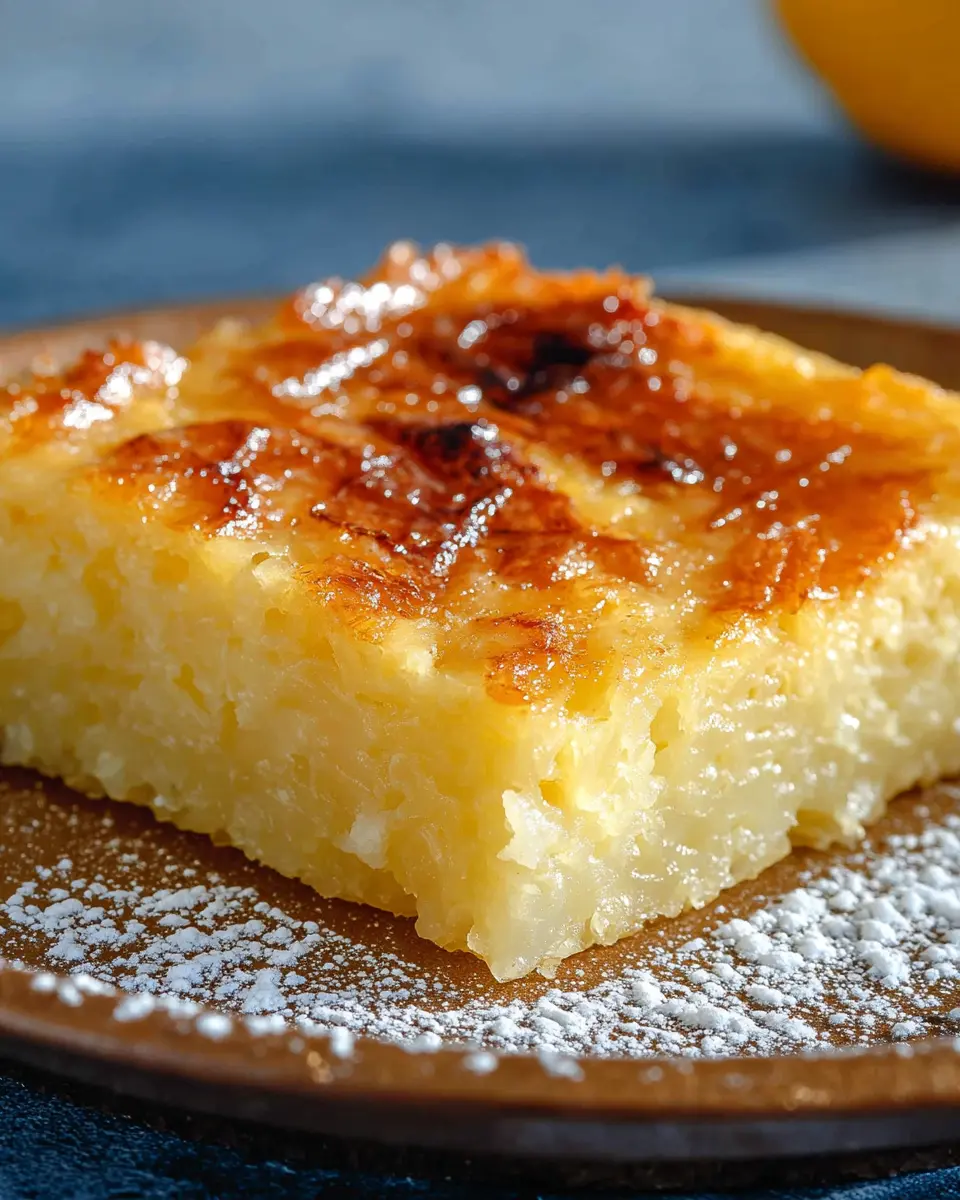
Variations on Portokalopita
Spicy Orange Cake
If you’re looking to kick up the flavor in your portokalopita recipe, consider adding a hint of spice! Incorporate ground cinnamon and nutmeg into the batter for a delightful twist that harmonizes beautifully with the orange flavor. You can even steep a cinnamon stick in the honey-orange syrup for extra warmth. This variation is perfect for cozy gatherings or holiday dinners.
Chocolate-Infused Portokalopita
For the chocolate lovers out there, why not indulge in a chocolate-infused version of this traditional treat? Simply melt some dark chocolate and fold it into the batter before baking. You could also sprinkle chocolate chips throughout the cake for added texture. This variation creates a luscious contrast to the zesty orange base, making it a decadent dessert that is sure to impress!
Whether you stick with the classic or give one of these variations a try, your portokalopita will be a crowd-pleaser!
Cooking Tips and Notes for Portokalopita
Tips for Working with Phyllo Dough
Working with phyllo dough can be a bit tricky, but with some patience, you’ll master it! Make sure your dough is at room temperature; this prevents it from tearing. Keep a damp cloth over it while you work, so it doesn’t dry out. If you’re using store-bought, consider this guide on working with phyllo for more tips!
How to Achieve the Best Texture
To achieve the perfect texture in your Portokalopita recipe, make sure to toast the phyllo strips before adding them to the batter. This step enhances the cake's crispness and prevents it from becoming soggy. Additionally, allowing the cake to soak in the honey-orange syrup while it’s still warm gives it an irresistibly moist and flavorful finish. Patience is key—allow it to rest for at least an hour!
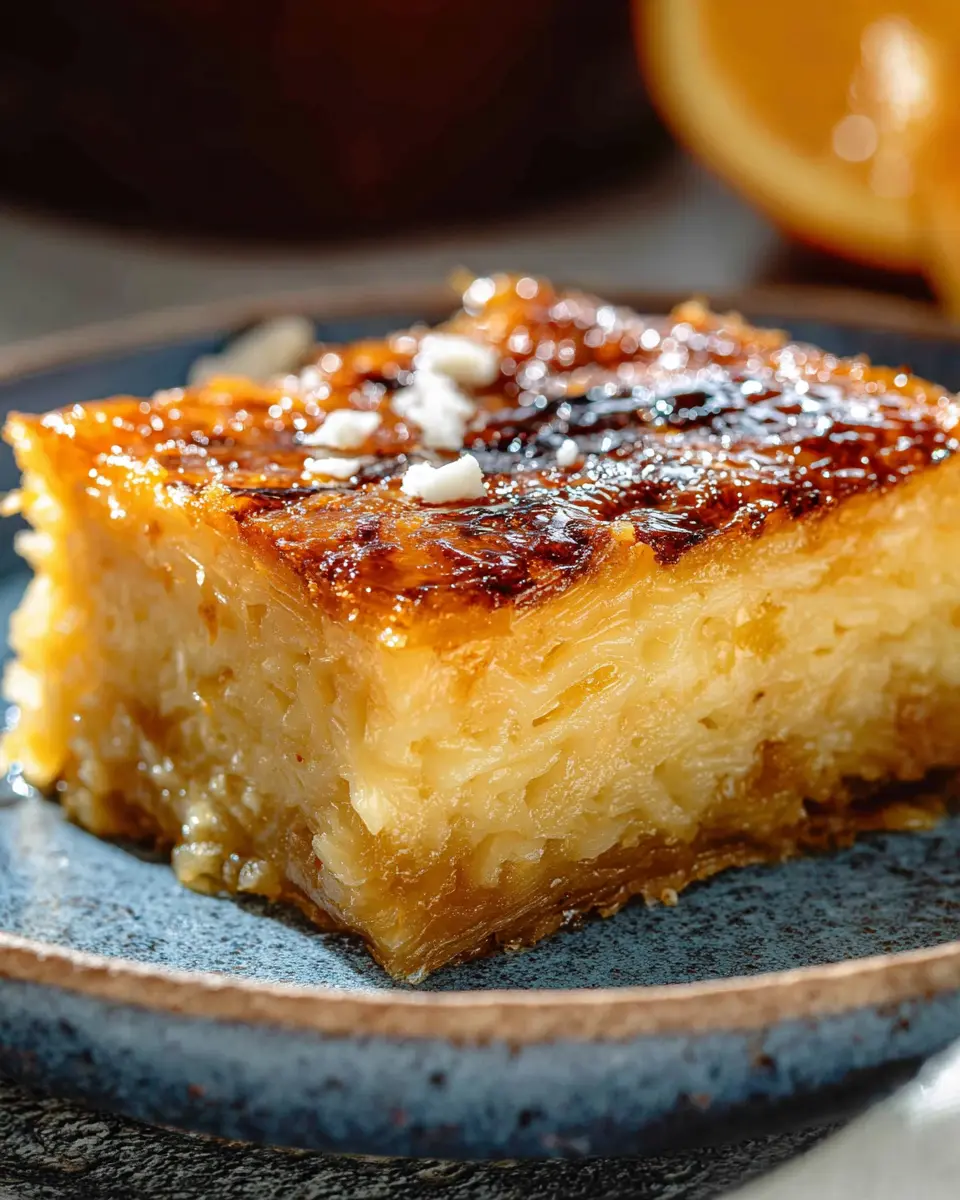
Serving Suggestions for Portokalopita
What to pair with your cake
To enhance the delightful flavors of this portokalopita recipe, consider serving it with a dollop of whipped cream or a scoop of tangy Greek yogurt. The creaminess complements the cake's orange notes beautifully. Fresh fruit such as berries or sliced citrus adds a pop of color and brightness, while a side of mint leaves can offer a refreshing contrast. Enjoying your cake alongside a cup of unsweetened herbal tea or a rich coffee can balance its sweetness perfectly.
Creative presentation ideas
For an eye-catching display, drizzle some of the honey-orange syrup over the top before serving, letting it cascade down the sides of the cake. You can also garnish each slice with a sprinkle of orange zest or chopped nuts for added texture. Serve the cake on a rustic wooden platter with fresh orange slices arranged around it, creating an inviting centerpiece that sparks conversation. Don't forget to plate it with a few fresh mint leaves on the side for a vibrant finishing touch!
Time Breakdown for Portokalopita
When you’re ready to tackle this delightful portokalopita recipe, here’s how the time stacks up:
Preparation Time
15 minutes
Gather your ingredients and get everything prepped to ensure a smooth cooking process.
Cooking Time
1 hour
That’s all it takes to bake this gorgeous cake to perfection.
Resting Time
1 hour
Allow the cake to soak in the heavenly honey-orange syrup for that irresistible flavor.
Total Time
2 hours 15 minutes
From start to finish, you’ll be enjoying your portokalopita in a little over two hours. Perfect for a weekend treat or special occasion!
If you're looking to enhance your culinary skills, consider checking out expert cooking techniques on resources like Serious Eats for more insightful tips.
Nutritional Facts for Portokalopita
Calories
A slice of this delicious portokalopita contains approximately 494.7 calories. This makes it a great occasional treat, especially when enjoyed responsibly as part of a balanced diet.
Sugar Content
You'll find that this Greek orange cake has around 48.2 grams of sugar per serving. The sweetness comes primarily from the orange honey syrup and granulated sugar, giving it its signature flavor that pairs wonderfully with the citrus.
Dietary Considerations
If you’re mindful of dietary needs, this portokalopita recipe features ingredients like olive oil and yogurt, which can contribute healthy fats and protein. However, it's worth noting that this cake is not suitable for gluten-free diets due to the phyllo dough. Limits on sugar intake? Consider enjoying a smaller slice or making it on special occasions. For more on sugar impacts, the CDC provides insightful resources on dietary guidelines here.
In summary, while portokalopita is a delightful dessert bursting with flavor, be sure to indulge in moderation to keep your dietary goals on track. Enjoy!
FAQs about Portokalopita
How can I make my Portokalopita more flavorful?
To elevate the flavor of your Portokalopita, consider adding a splash of fresh lemon juice or a hint of cinnamon to the batter. Infusing the syrup with spices like star anise or cloves can also enhance its richness. You could even experiment with different citrus flavors, like blood oranges or tangerines, for a unique twist.
Can I prepare Portokalopita in advance?
Absolutely! This Portokalopita recipe is perfect for making ahead. Prepare the cake and soak it in the syrup, then cover and refrigerate. It tastes even better the next day when the flavors have melded. Just remember to bring it to room temperature before serving for the best texture.
What’s the best way to store leftovers?
To store any leftover Portokalopita, wrap it tightly in plastic wrap or place it in an airtight container. Keep it in the fridge for up to five days. You can also freeze it; just slice beforehand for easy servings later. Thaw in the fridge overnight before enjoying!
Conclusion on Portokalopita Recipe
In summary, the portokalopita recipe is a delightful and refreshing dessert that captures the essence of Greek cuisine. Its unique layers of phyllo and creamy orange goodness make it a must-try for any home cook. So go ahead, indulge yourself, and share this treat with friends!
Portokalopita
Equipment
- Oven
- Baking pan (9 ½ x 14-inch)
- Mixing bowl
- Electric hand mixer
- saucepan
Ingredients
For the Honey-Orange Syrup
- ½ cup freshly squeezed orange juice (from about 2 medium oranges)
- 1 ½ cups water
- 1 cup honey
- ½ cup granulated sugar
For the Orange Cake
- 1 pound phyllo dough (thawed and at room temperature)
- 5 large eggs
- ¾ cup granulated sugar
- 1 tablespoon baking powder
- 1 cup extra virgin olive oil
- 1 cup whole milk plain yogurt
- Zest of 2 large oranges
- 1 ¼ cups freshly squeezed orange juice (from about 5 medium oranges)
- 1 teaspoon vanilla extract
- ¼ teaspoon salt
Instructions
Preparation
- Heat the oven to 350°F. Lightly oil a (9 ½ x 14-inch) baking pan.
- Use a sharp knife or peeler to slice off the peel of one orange, then add the peel to a medium saucepan with orange juice, water, honey, and sugar. Bring to a boil, then simmer for 5 minutes. Remove from heat and cool.
- Slice or tear the phyllo into thin pieces. Bake on a large baking sheet in the oven until crispy, about 10 minutes. Remove from oven.
- In a large mixing bowl, beat the eggs and sugar until thick and pale yellow. Add baking powder and beat. Incorporate olive oil, yogurt, orange zest and juice, vanilla, and salt.
- Add the dried phyllo strips to the batter, folding until submerged. Transfer to the baking pan.
- Bake for 45 minutes to 1 hour, until golden brown and a skewer inserted comes out clean. Remove from the oven.
- Poke holes all over the top of the cake and pour the cooled honey-orange syrup evenly over it. Let sit for at least 1 hour to absorb the syrup.
- Slice the Portokalopita into 12 pieces and serve.


Leave a Reply