
Introduction to Beef Stew Recipe
Why Beef Stew is a Staple for Busy Young Professionals
Beef stew is more than just a comforting dish; it’s a culinary lifesaver for young professionals who crave warmth and nourishment but often find themselves racing against the clock. With its hearty ingredients, this beef stew recipe is perfect for batch cooking, allowing you to prep once and enjoy multiple meals throughout the week.
Imagine returning home after a long day, the smell of savory beef and tender vegetables wafting through your kitchen. It's not just about filling your belly—according to a study from the Journal of Nutritional Biochemistry, meals rich in protein can enhance your mood and keep you energized.
Plus, the beauty of beef stew lies in its adaptability. You can throw in whatever ingredients you have on hand, making it versatile and freeing you from the monotony of kitchen routines. Not to mention the potential for freezing leftovers, which is perfect for those spontaneous busy nights when you wish you had something hearty ready.
So, whether you're settling in for a cozy night or needing something quick to reheat, this beef stew recipe is bound to become a staple in your cooking repertoire. Let's dive into how you can whip up this delicious meal!
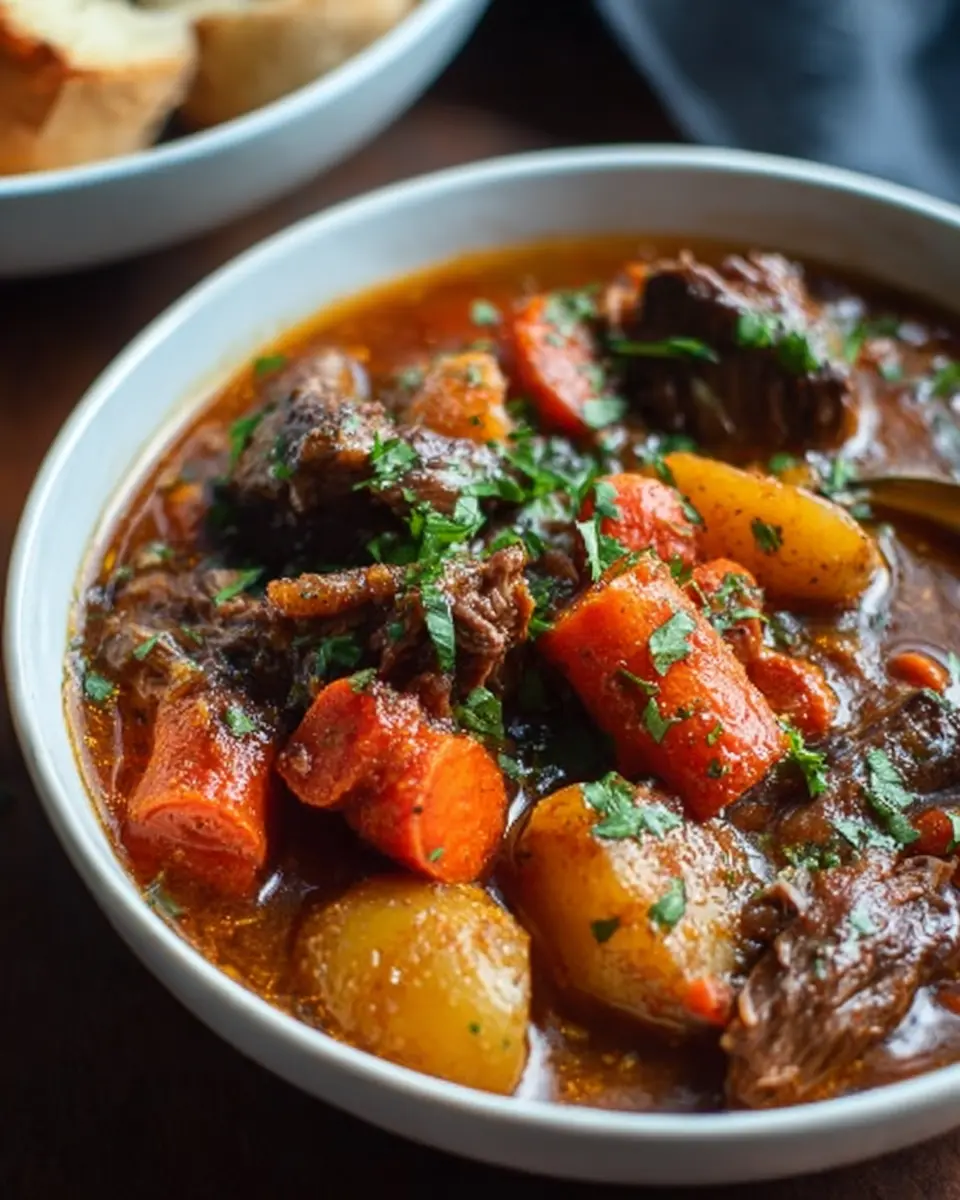
Ingredients for Beef Stew
Essential Ingredients for a Hearty Beef Stew
Creating the perfect comfort food with this beef stew recipe involves a handful of essential ingredients that bring warmth and flavor to your dinner table. Here’s what you’ll need:
- 3 pounds boneless beef chuck: Look for well-marbled pieces for a tender texture.
- Vegetables: You can’t go wrong with 2 medium yellow onions, 4 large carrots, and 1 pound of baby Yukon potatoes for that classic hearty flavor.
- Flavor Builders: Don’t forget the 7 cloves of garlic, balsamic vinegar, and a touch of tomato paste to deepen the flavor.
- Beef broth and water: These help create a rich, flavorful base for your stew.
- Seasoning: A balance of salt, pepper, thyme, and a bay leaf elevates the dish, while a pinch of sugar rounds out the flavors.
Optional Ingredients for Customization
Want to make your beef stew recipe uniquely yours? Consider adding:
- Mushrooms: Sautéed mushrooms can add an earthy richness.
- Parsnips: A sweet alternative to carrots for a slightly different taste.
- Peas: Stir in some green peas towards the end for a pop of color and flavor.
With these ingredients, you’re well on your way to creating a warming, delicious beef stew that everyone will love! For more tips on ingredient swaps and variations, check out this guide on making hearty stews.
Step-by-Step Preparation of Beef Stew
Gather and Prepare Your Ingredients
Before diving into the heart of the rich beef stew recipe, it’s essential to gather everything you need. Take a moment to lay out your ingredients to ensure a smooth cooking experience. You’ll need:
- 3 pounds boneless beef chuck, cut into 1½-inch pieces
- 2 teaspoons salt & 1 teaspoon black pepper
- 3 tablespoons olive oil
- 2 medium yellow onions, cut into chunks
- 7 cloves garlic, peeled and smashed
- 2 tablespoons balsamic vinegar
- 1½ tablespoons tomato paste
- ¼ cup all-purpose flour (this helps thicken the stew)
- 2 cups beef broth
- 2 cups water
- 4 large carrots, cut into chunks
- 1 pound small white boiling potatoes
- A few pantry staples like dried thyme, bay leaf, and sugar
Preparing these ingredients ahead of time prevents any last-minute scrambles and helps create a delightful cooking atmosphere.
Sear the Beef – The Secret to Flavor
Once you have your ingredients ready, it’s time to sear the beef. This step is crucial as it develops a deep flavor that infuses the entire stew.
- Pat the beef dry with paper towels—this promotes better browning.
- Season generously with salt and pepper.
- Heat 1 tablespoon of olive oil in a large Dutch oven over medium-high heat until it’s shimmering.
- Sear the beef in batches, adding more oil as needed until each piece is a beautiful brown. Avoid overcrowding the pot; give the beef space to breathe!
This step may take some time, but trust me, it’s worth it for that rich, hearty flavor.
Sauté Vegetables and Build the Base
With the beef seared and resting, it’s time to sauté the vegetables. Add the onions, garlic, and a splash of balsamic vinegar to the same pot, scraping the bottom to deglaze it. Cook for about 5 minutes until the onions turn translucent.
This is where the magic starts—those lovely browned bits are releasing their flavor and creating a beautiful base for your stew.
Deglazing with Beef Broth for Richness
Next, stir in the tomato paste and flour. This will help to thicken your stew while adding depth. After a minute, it’s time to pour in your beef broth along with water, tossing in a bay leaf and dried thyme to deepen the flavor profile.
Make sure to bring everything to a gentle boil, using your spoon to scrape up any stubborn bits on the bottom. This deglazing process is essential for building layers of flavor.
Cooking the Stew – Oven vs. Stovetop Methods
Many swear by slow-cooking their beef stew in the oven for even tenderness, while others prefer stovetop methods. If you choose the oven, cover the pot and let it braise at 325°F (165°C) for about two hours. If opting for the stovetop, keep it on low and let it simmer for the same duration, stirring occasionally.
What’s your preference? The oven might yield a more consistent heat, but the stovetop allows for an easier eye on the flavor!
Add Vegetables and Simmer to Perfection
After the meat has tenderized, stir in the chopped carrots and halved potatoes. Cover the pot again and return it to the oven for about an hour, until those veggies are perfectly cooked through.
Final Touches and Adjustments
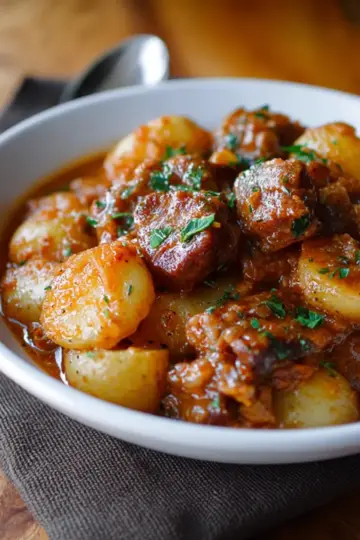
Once done, take a moment to fish out the bay leaf (it’s not edible!). Taste your stew and adjust the seasoning to your liking. A sprinkle of fresh parsley on top just before serving adds a lovely pop of color and freshness.
Wrap up your cozy weeknight with a bowl of your homemade stew! Enjoy the warmth and comfort it provides while planning the next pot for your freezer—because this beef stew recipe just gets better with time.
For tips on storing homemade stews, check out this resource on food safety practices. Happy cooking!
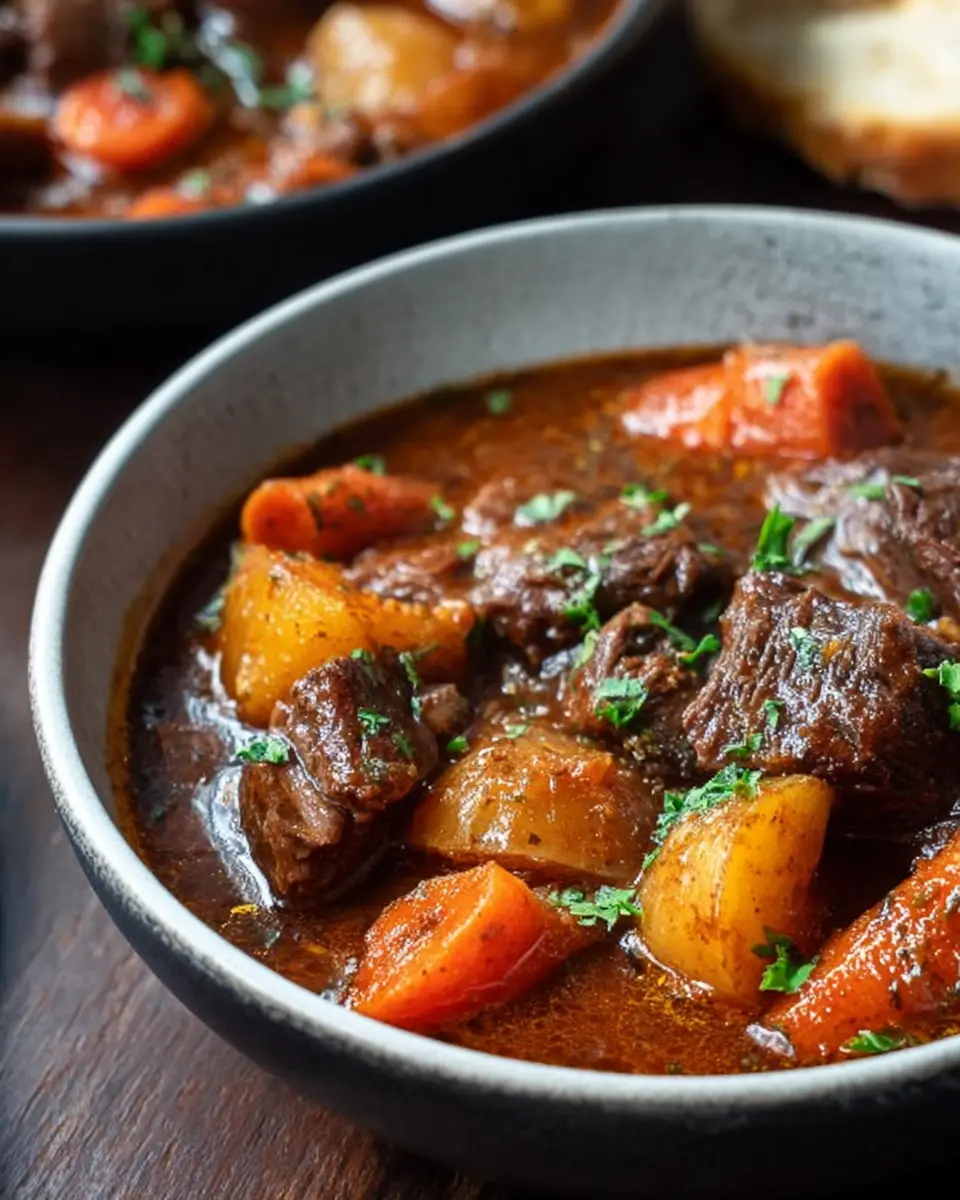
Variations for Beef Stew
Classic Beef Stew with a Twist
Elevate your beef stew recipe by incorporating unique ingredients! Consider adding mushrooms for an earthy depth, or toss in some green beans for a pop of color. If you're feeling adventurous, swap out the carrots for sweet potatoes or add a splash of citrus juice for a bright flavor boost. Experimenting with herbs like rosemary or cilantro can also transform the profile, making your stew one-of-a-kind!
Slow-Cooker Beef Stew for Convenience
Busy week ahead? No problem! A slow cooker can simplify your beef stew recipe while developing rich flavors. Just brown your meat and add the ingredients to the slow cooker—no need for oven time! Let it simmer on low for 6-8 hours, and you'll come home to a warm, hearty meal. This method not only saves time but also allows for a deeper infusion of flavors. Check out more slow-cooker tips from thekitchn.com.
Transitioning your stew into these variations keeps the comfort food spirit alive while catering to your personal taste and schedule!
Cooking Tips and Notes for Beef Stew
Enhancing Flavor with Herbs and Spices
For a delicious beef stew recipe, the right herbs and spices can elevate your dish. Consider adding fresh sprigs of rosemary or bay leaves for a fragrant layer of flavor. A splash of balsamic vinegar brings acidity that balances the stew's richness. Don’t shy away from experimenting with spices like smoked paprika or a pinch of cayenne for a gentle heat. Fresh herbs like parsley not only add freshness but also enhance visual appeal when sprinkled on top before serving.
Importance of Marbling in Beef for Tenderness
When selecting beef for your stew, opt for cuts with good marbling—like boneless beef chuck. Marbling, the intramuscular fat, melts during slow cooking, bringing moisture and an irresistible richness to your stew. This is key to achieving that fork-tender meat texture that makes your dish unforgettable. According to culinary experts, marbled beef contributes to a more flavorful and juicy end result, ensuring every bite is satisfying and tender.
For more tips on creating a perfect beef stew, check out resources from the Beef Culinary Center.
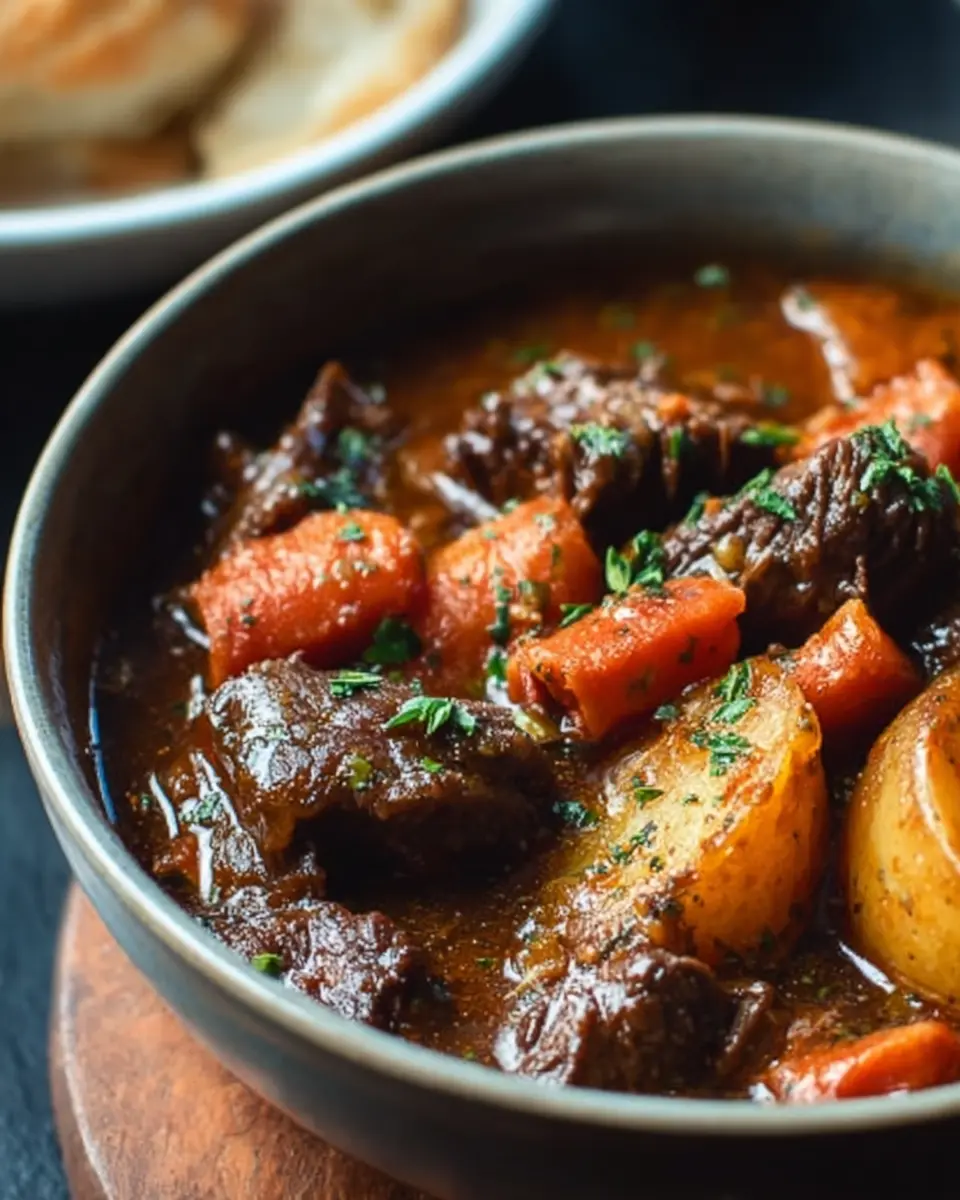
Serving Suggestions for Beef Stew
Perfect Pairings – What to Serve Alongside
To complement the rich and hearty flavors of your beef stew recipe, consider serving it alongside a warm, crusty loaf of bread or buttery mashed potatoes. Both options soak up the robust broth beautifully, adding an extra layer of comfort to your meal. For a refreshing side, a simple green salad with a tangy vinaigrette can balance the stew's richness.
If you’re feeling adventurous, pair it with some sautéed green beans or roasted Brussels sprouts for a nutritious kick.
Creative Ways to Present Your Beef Stew
Presentation can elevate your beef stew. Try serving it in individual ramekins for a charming touch, or ladle it into hollowed-out bread bowls for a fun, edible serving dish. Garnish with fresh chopped parsley for a pop of color and serve with a side of crusty bread. For added flair, you can even include a sprinkle of grated cheese on top for those cheesy lovers out there.
These thoughtful touches not only enhance the visual appeal but also make your dining experience memorable!
Time Breakdown for Beef Stew
Preparation Time
Getting started on your beef stew recipe takes about 30 minutes. This includes chopping your veggies and browning the meat — key steps that build a rich flavor.
Cooking Time
Let the magic happen with 3 hours and 30 minutes of cooking. This extended time allows the beef to become tender and the flavors to meld beautifully.
Total Time
In just 4 hours, you'll have a comforting dish perfect for sharing. While the stew simmers away, your home will fill with delightful aromas, creating a warm ambiance that invites everyone to gather around the table.
For more tips on perfecting your beef stew recipe, check out resources like The Kitchn or Serious Eats for additional insights and variations you can try!
Nutritional Facts for Beef Stew
When enjoying our beef stew recipe with carrots and potatoes, understanding its nutritional profile can enhance your meal planning.
Approximate Calories per Serving
Each serving of this hearty beef stew contains around 400-450 calories, making it a fulfilling option for any dinner.
Protein Content
Packed with protein, this stew delivers approximately 30 grams per serving, providing you with essential nutrients to help maintain muscle mass and overall health.
Sodium Levels
With about 600-800 milligrams of sodium per serving, it's a good idea to be mindful if you're monitoring salt intake. Opting for low-sodium broth can help reduce this amount without sacrificing flavor.
For more insights on the nutritional benefits of hearty meals, check out resources like Harvard Health or Nutrition.gov. Enjoy your cooking!
FAQ about Beef Stew
Can I Use Different Cuts of Beef?
Absolutely! While our beef stew recipe suggests using boneless beef chuck for its tenderness and flavor, you can substitute other cuts like brisket, round, or even short ribs. Just keep in mind that some cuts may require different cooking times and techniques to ensure they become tender.
How Long Will Leftover Beef Stew Last?
Leftover beef stew can last in the refrigerator for up to three days. Just store it in an airtight container, and you’re good to go! If you plan on keeping it longer, consider freezing it for a delicious meal later.
Can I Freeze Beef Stew and Reheat It Later?
Yes, you can freeze beef stew! After cooling it to room temperature, transfer it to an airtight container. It will stay good for up to three months in the freezer. To reheat, simply thaw overnight in the refrigerator and warm it on the stovetop over medium-low heat. Enjoy your hearty beef stew anytime! For more tips on storing stews, check out FoodSafety.gov for detailed information.
Conclusion on Beef Stew Recipe
This beef stew recipe wraps up with a warm embrace of flavors and comfort. Perfect for chilly evenings, this hearty dish not only nourishes the body but also lifts the spirit. Try making it ahead—its flavors deepen over time, making each bowl a cozy delight. Enjoy every spoonful!
Beef Stew Recipe with Carrots & Potatoes
Equipment
- Dutch oven
Ingredients
- 3 pounds boneless beef chuck, well-marbled, cut into 1½-inch pieces
- 2 teaspoons salt
- 1 teaspoon freshly ground black pepper
- 3 tablespoons olive oil
- 2 medium yellow onions, cut into 1-inch chunks
- 7 cloves garlic, peeled and smashed
- 2 tablespoons balsamic vinegar
- 1½ tablespoons tomato paste
- ¼ cup all-purpose flour
- 2 cups dry red wine
- 2 cups beef broth
- 2 cups water
- 1 leaf bay
- ½ teaspoon dried thyme
- 1½ teaspoons sugar
- 4 large carrots, peeled and cut into 1-inch chunks on a diagonal
- 1 pound small white boiling potatoes (baby yukons), cut in half
- Fresh chopped parsley, for serving (optional)
Instructions
- Preheat the oven to 325°F (165°C) and set a rack in the lower middle position.
- Pat the beef dry and season with the salt and pepper. In a large Dutch oven or heavy soup pot, heat 1 tablespoon of the olive oil over medium-high heat until hot and shimmering. Brown the meat in 3 batches, turning with tongs, for about 5 minutes per batch; add one tablespoon more oil for each batch. Transfer the meat to a large plate and set aside.
- Add the onions, garlic and balsamic vinegar; cook, stirring with a wooden spoon and scraping the brown bits from bottom of the pan, for about 5 minutes. Add the tomato paste and cook for a minute more.
- Add the beef with its juices back to the pan and sprinkle with the flour. Stir with wooden spoon until the flour is dissolved, 1 to 2 minutes.
- Add the wine, beef broth, water, bay leaf, thyme, and sugar. Stir with a wooden spoon to loosen any brown bits from the bottom of the pan and bring to a boil.
- Cover the pot with a lid, transfer to the preheated oven, and braise for 2 hours.
- Remove the pot from the oven and add the carrots and potatoes. Cover and place back in oven for about an hour more, or until the vegetables are cooked, the broth is thickened, and the meat is tender.
- Fish out the bay leaf and discard, then taste and adjust seasoning, if necessary. Serve the stew warm -- or let it come to room temperature and then store in the refrigerator overnight or until ready to serve. This stew improves in flavor if made at least 1 day ahead. Reheat, covered, over medium heat. Garnish with fresh parsley, if desired.



Leave a Reply