
Introduction to Chicken Francese
Why Chicken Francese is the Perfect Dish for Young Professionals
If you're a young professional balancing a busy schedule, Chicken Francese could be your new culinary best friend. This delightful dish is not only quick to prepare—taking about 25 minutes from start to finish—but also exudes an air of sophistication that’s sure to impress dinner guests or elevate your weeknight meals.
Imagine sitting down to a plate of golden, pan-fried chicken breast enveloped in a luscious lemony sauce, reminiscent of a night out at a fine restaurant, but made in the comfort of your own kitchen. The gentle flavor of the sauce, enriched by chicken broth and a hint of dry white cooking wine, creates a deliciously satisfying meal without the fuss.
For added convenience, all you need is a few ingredients you likely already have. This dish is a perfect choice for those who want a quick fix of comfort food that still feels gourmet. You can pair it with some simple sides like roasted vegetables or a fluffy rice to round out your meal.
So, what are you waiting for? Let’s dive into making this exquisite Chicken Francese—a recipe that will surely become a staple in your culinary repertoire!
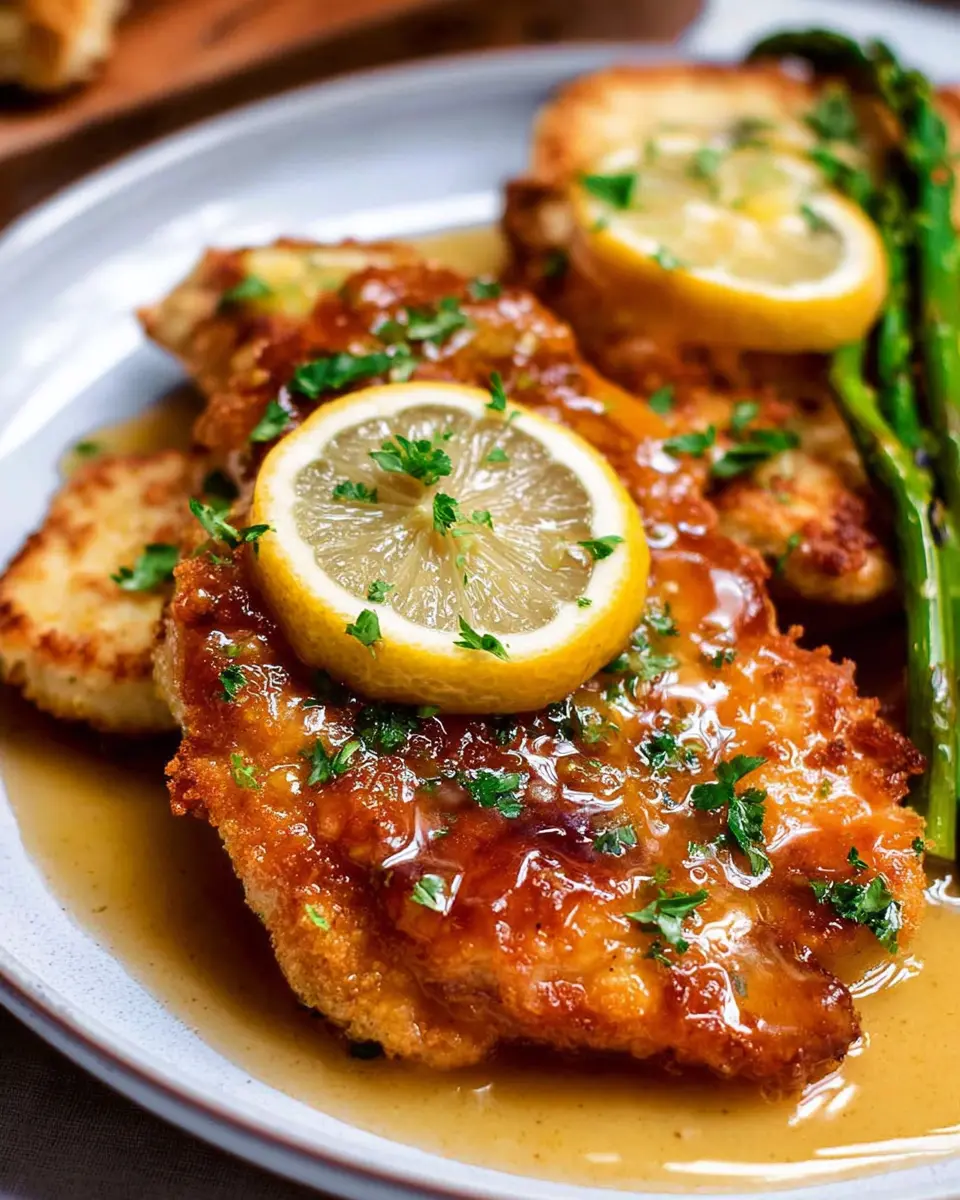
Ingredients for Chicken Francese
Chicken and Coating
For a delicious Chicken Francese, you'll want to start with the star of the dish: the chicken! Use two large skinless, boneless chicken breasts (approximately 250-300g each) to ensure they’re tender and flavorful. To create that irresistible crust, prepare a simple coating by mixing ¼ cup of all-purpose flour with 1 teaspoon each of salt and black pepper. This combination will season your chicken perfectly and create a delightful texture once cooked. You’ll also need two large eggs, whisked together with 1 tablespoon of milk to help the flour adhere to the chicken.
Cooking and Sauce Components
The sauce is where the magic happens. For this recipe, gather 3 tablespoons of extra virgin olive oil and 50 grams of unsalted butter to create a rich base. You’ll need 2 cups of low-sodium chicken stock to enhance the flavor, along with ⅓ cup of dry white wine for a hint of sophistication (feel free to substitute with chicken broth mixed with a bit of lemon juice). Finally, don’t forget about adding a lemon, sliced thinly, to brighten up the entire dish, along with 1 tablespoon of finely chopped parsley for garnish.
For a deeper dive into cooking techniques, check out resources like Serious Eats or The Kitchn to elevate your culinary skills further!
Preparing Chicken Francese
Cooking Chicken Francese at home can be a delightful experience; it’s an elegant yet simple dish to impress anyone who tastes it. Follow along with these easy steps, and you'll be savoring this delicious meal in no time!
Preparing the Chicken Breasts
Start with two large, skinless, boneless chicken breasts. For perfectly tender and juicy cutlets, slice each breast horizontally to create a total of four thin steaks. This not only helps in the cooking process but also ensures that every piece benefits from that delightful lemon sauce. Plus, thinner chicken cooks quicker, ensuring a wonderful crust without drying out!
Creating the Flour Coating
In a shallow plate, mix ¼ cup of all-purpose flour with 1 teaspoon of cooking salt and 1 teaspoon of black pepper. This simple blend will provide a flavorful coating. Once mixed, set it aside. In another bowl, whisk together two large eggs and 1 tablespoon of milk. This will create a nice batter for dipping your chicken, giving it that classic crispy exterior we associate with a good Chicken Francese.
Cooking the Chicken
Now that your chicken is prepared and coated, it’s time to cook! In a large nonstick pan, heat 3 tablespoon of extra virgin olive oil over medium-high heat. Dip each piece of chicken into the egg mixture, letting the excess drip off, then coat with the flour mixture. Carefully place the chicken in the pan—don’t overcrowd it! Cook for about 3 minutes per side until beautifully golden brown. Just ensure the internal temperature reaches 165°F (68°C) for perfectly cooked chicken.
Making the Lemon Sauce
After your chicken is cooked, it’s time for the stars of the show—those luscious lemon slices! Remove the chicken from the pan and add thinly sliced lemon to the remaining oil. Cook for just a minute until they are soft and caramelized. Next, wipe the pan clean (you want to avoid any burnt bits) and melt 3 tablespoon of unsalted butter. Add 2 tablespoon of flour, stirring for a minute, then gradually whisk in 2 cups of chicken broth. Finally, add ½ teaspoon of cooking salt for flavor.
Combining Everything Together
Return the chicken and cooked lemon slices to the pan with the sauce. Spoon the sauce lovingly over the chicken so it absorbs that delicious, zesty flavor. Cook everything together for a couple of minutes so the chicken soaks up the sauce, then serve it straight away for the best taste experience. Garnish with fresh chopped parsley for a beautiful touch!
Chicken Francese is not just a meal; it’s a culinary experience. Enjoy your masterpiece! If you want to learn additional tips, visit cooking blogs like Serious Eats or Bon Appétit for more inspiration.
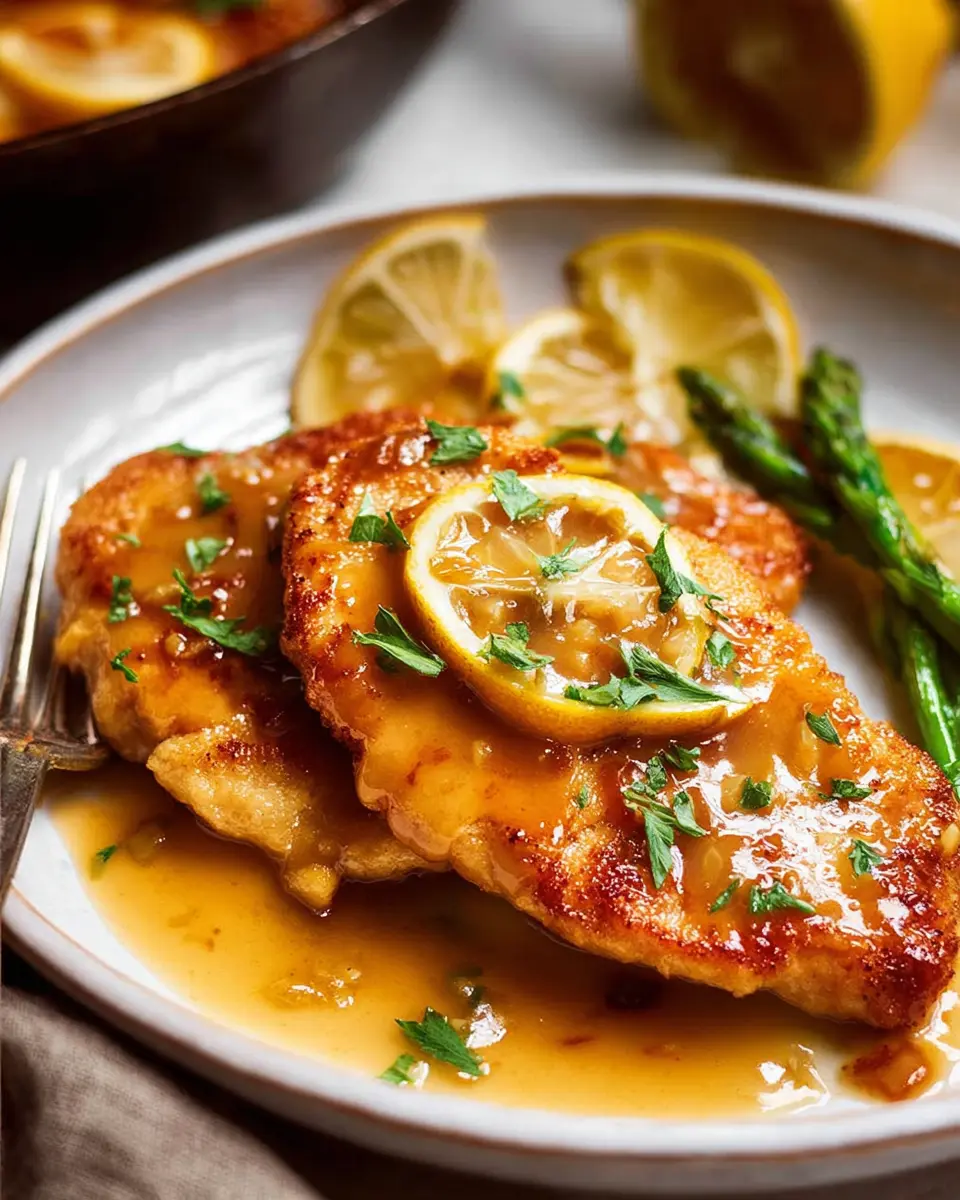
Variations on Chicken Francese
Lemon Herb Chicken Francese
Elevate your Chicken Francese with a zesty twist! For a vibrant Lemon Herb version, add fresh herbs like thyme and rosemary to the flour mixture before coating your chicken. This not only adds delightful flavor but also a lovely aroma as it cooks. Once you’ve finished the sauce, squeeze in an extra splash of fresh lemon juice at the end for that perfect bright finish. It’s a fantastic way to bring a burst of summer into your kitchen, and the combination of herbs makes each bite feel gourmet. You might also love experimenting with different herbs — oregano or basil would work beautifully!
Creamy Chicken Francese
If you crave something a bit richer, try making a Creamy Chicken Francese. Simply whisk in some heavy cream or a non-dairy alternative, like coconut cream, into the sauce as it simmers to create a luscious, velvety texture. This variation pairs wonderfully with pasta or rice, allowing the sauce to cling beautifully to every bite. For added depth, consider incorporating sautéed garlic or shallots into the mix before adding the cream. This creamy rendition brings a comforting twist to the classic dish, making it a perfect choice for cozy dinner nights.
For more creative ideas, check out reputable culinary resources like Bon Appétit or Food Network for inspiration. Happy cooking!
Cooking Tips and Notes for Chicken Francese
How to Avoid Lumps in Sauce
To ensure a smooth, velvety sauce for your Chicken Francese, remember to stir the flour in while gradually pouring in half of your chicken stock. This technique minimizes lumps. If you do encounter any pesky lumps, simply whisk them out gently. And if they're particularly stubborn, straining the sauce can be a lifesaver!
Ensuring Perfectly Cooked Chicken
For perfectly cooked chicken, it's essential to monitor the internal temperature. Aim for 165°F (68°C) for juicy, tender chicken. Be sure to keep an eye on the cooking times: about 3 minutes on one side and 4 minutes after flipping usually does the trick. And remember, letting the chicken rest for a moment before serving allows those delightful juices to redistribute. Your taste buds will thank you!
For more cooking hacks, check out this article on chicken techniques!
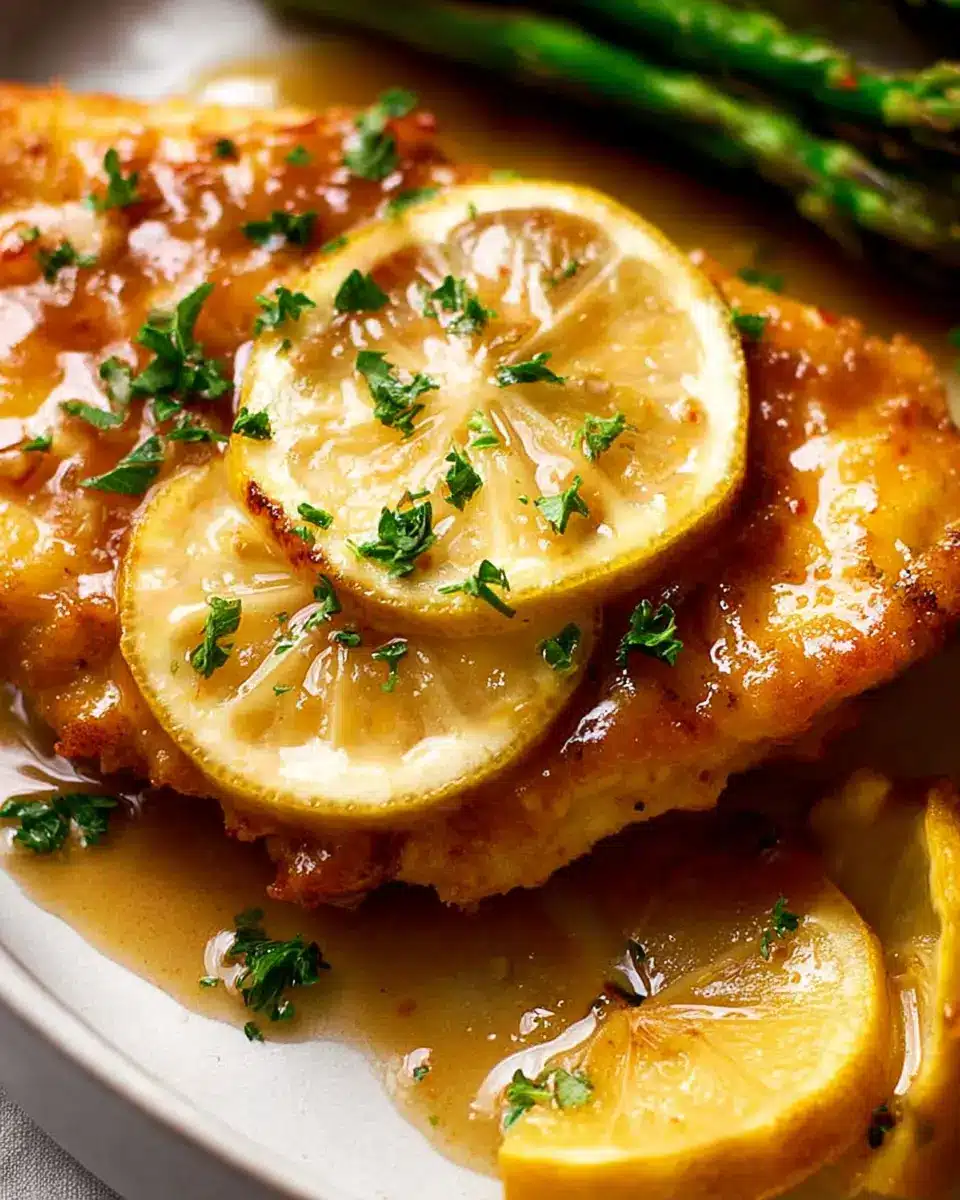
Serving Suggestions for Chicken Francese
Pairing with Sides
When it comes to Chicken Francese, choosing the right sides can elevate your meal. Consider the following options:
- Vegetable Medley: Lightly sautéed asparagus or green beans with a drizzle of olive oil make a perfect complement.
- Creamy Mashed Potatoes: Their rich texture pairs wonderfully with the lemon sauce.
- Garlic Bread: Use this for dipping into that delicious sauce—it's a real crowd-pleaser!
You can also explore refreshing salads like a simple arugula salad with lemon vinaigrette to balance the richness of the dish.
How to Present the Dish
Presentation can turn your home-cooked Chicken Francese into a restaurant-worthy meal. Start by layering the chicken on a large, white plate. Spoon generous amounts of the silky sauce over the top, allowing it to cascade down the sides. Garnish with freshly chopped parsley for a pop of color and serve alongside your chosen sides. For a touch of elegance, consider serving in a shallow bowl, with extra sauce on the side for dipping. This thoughtful presentation not only looks appetizing but invites your guests to savor every bite!
For more tips on plating, check out this article.
Time Breakdown for Chicken Francese
Preparation Time
Getting your kitchen ready for Chicken Francese is a breeze! Expect to spend about 10 minutes prepping your ingredients and coating the chicken. This includes cutting the chicken, whisking the eggs, and mixing the flour with seasonings, all of which you can do while you sip on a glass of lemon-infused water!
Cooking Time
Once you’re prepped, cooking this delicious dish takes around 15 minutes. You’ll be pan-frying the chicken until golden brown and then creating that delightful lemony sauce. It’s amazing how quickly you can whip up such a restaurant-quality meal at home.
Total Time
In total, from start to finish, you’re looking at about 25 minutes. That’s right—just a quick half-hour for a fabulous dinner! Perfect for those busy weeknights when you want something satisfying without a lengthy commitment. And who doesn’t love a recipe that delivers big flavors in minimal time?
For even more tips on mastering chicken breast recipes, check out this insightful guide on cooking chicken. Happy cooking!
Nutritional Facts for Chicken Francese
When you whip up a delicious Chicken Francese at home, it not only pleases the taste buds but also boasts some impressive nutritional stats. Here’s what you need to know:
Calories
Each serving of this delightful dish contains approximately 368 calories, making it a satisfying choice without being overly indulgent.
Protein
You’ll also benefit from 32 grams of protein per serving, which is great for muscle repair and keeping you full longer.
Sodium
Keep in mind that it does have about 783 milligrams of sodium. If you’re watching your salt intake, consider using low-sodium broth to balance flavors without sacrificing enjoyment.
The balance of flavors and nutrition in Chicken Francese makes it a fantastic weeknight dinner option. If you're interested in more nutritious recipe options, you can explore detailed nutritional insights from Healthline or NutritionData. Enjoy your cooking!
FAQs about Chicken Francese
Can I make Chicken Francese without Wine?
Absolutely! If you're looking to skip the wine, you can substitute with a splash of non-alcoholic white wine or simply opt for additional chicken broth with a squeeze of fresh lemon juice. This alternative will still give you that deliciously tangy flavor that pairs so well with the dish!
What are some great side dishes to serve with Chicken Francese?
Chicken Francese is incredibly versatile, so you can pair it with several delightful sides. Here are a few suggestions:
- Pan-Seared Asparagus: A simple yet tasty option that adds vibrant color.
- Garlic Mashed Potatoes: Creamy comfort that complements the lemony sauce beautifully.
- Steamed Broccoli: A nutritious choice that balances the richness of the chicken.
- Crusty Bread: Perfect for soaking up that tasty sauce!
How do I store leftovers?
If you have leftovers, you can store them in an airtight container in the fridge for up to three days. Just keep in mind that the coating may become a bit softer over time, but the flavors will still be delicious. When reheating, consider using the oven to help crisp it back up! For more tips on storing leftovers, check out sources like FoodSafety.gov.
Conclusion on Chicken Francese
Why You Should Try Making Chicken Francese at Home
Making Chicken Francese at home is an easy way to impress friends and family with a restaurant-quality meal. The dish features tender, crispy chicken enveloped in a luscious lemon sauce, making it delightful and satisfying. This recipe allows you to explore beautiful Italian flavors while prioritizing simplicity and convenience, all from your own kitchen. So why not give it a try? Your taste buds will thank you!
Chicken Francese
Equipment
- large nonstick pan
Ingredients
Chicken & coating
- 2 large chicken breasts, skinless boneless 250-300g / 8-10oz each
- ¼ cup flour plain / all-purpose
- 1 teaspoon cooking salt kosher salt
- 1 teaspoon black pepper
- 2 large eggs
- 1 tablespoon milk any fat %
Cooking & sauce
- 3 tablespoon extra virgin olive oil
- 1 unit lemon thinly sliced 0.3cm / ⅛"
- 50 g unsalted butter 3 tbsp
- 2 tablespoon flour plain / all-purpose
- 2 cups chicken stock/broth low sodium
- ⅓ cup Chardonnay or other dry white wine
- ½ teaspoon cooking salt kosher salt (no pepper!)
- 1 tablespoon finely chopped parsley for garnish (optional)
Instructions
Preparation
- Cut each breast in half horizontally to form 4 thin steaks in total.
- Whisk eggs and milk in a small bowl. Set aside.
- Mix flour, salt and pepper on a plate. Coat the chicken in the flour, shaking off excess, then set aside on a plate.
- Heat the oil in a large nonstick pan over medium-high heat.
Cooking
- Dip the chicken in the egg, allow excess to drip off, then put into the pan. Cook for 3 minutes until golden. Flip, lower heat to medium, then cook for 4 minutes until the chicken is golden (internal temp 68°C/155°F). Remove onto a plate.
- Add the lemon slices to the pan. Cook for a minute or until the lemons go soft / brown, then turn and cook the other side for 30 seconds. Remove onto a plate.
- Wipe the pan clean using paper towels.
- Still on medium heat, melt the butter in the pan. Add flour and stir for 1 minute using a wooden spoon. While stirring, slowly pour in half the stock. Once the flour is dissolved into the liquid, stir in remaining stock, then the wine and salt.
- Turn the heat up slightly then simmer for 3 - 4 minutes or until the sauce thickens into a syrupy consistency.
- Return the chicken and lemon slices to the pan, then spoon the sauce all over the chicken. Sprinkle with parsley then serve the chicken with the sauce.


Leave a Reply