
Introduction to Simple Sautéed Vegetables
Are you looking for a quick and delightful way to elevate your meals? Simple sautéed vegetables could be your new best friend in the kitchen! These vibrant, flavorful dishes not only add a pop of color to your plate but also pack a nutritional punch, making them an excellent choice for busy professionals seeking a healthy lifestyle.
Why should you start making simple sautéed vegetables at home?
-
Quick & Easy: With just a few minutes of prep and cooking time, you can whip up a delicious side dish in under 20 minutes. Ideal for weeknight dinners when time is short!
-
Cost-Effective: This recipe is budget-friendly, clocking in at just $3.33 for the entire dish. You can explore various seasonal vegetables to keep costs down without sacrificing flavor.
-
Nutritional Benefits: Sautéing preserves the nutrients in vegetables better than boiling. As per the USDA, cooking veggies like zucchini, carrots, and bell peppers in just a bit of oil can enhance their vitamin absorption, making every bite even healthier.
-
Versatile & Customizable: Whether you enjoy carrots, bell peppers, or summer squash, you can tailor this dish to suit your taste preferences or what's in your fridge!
So, why wait? Dive into the world of simple sautéed vegetables, where flavor meets convenience and health!
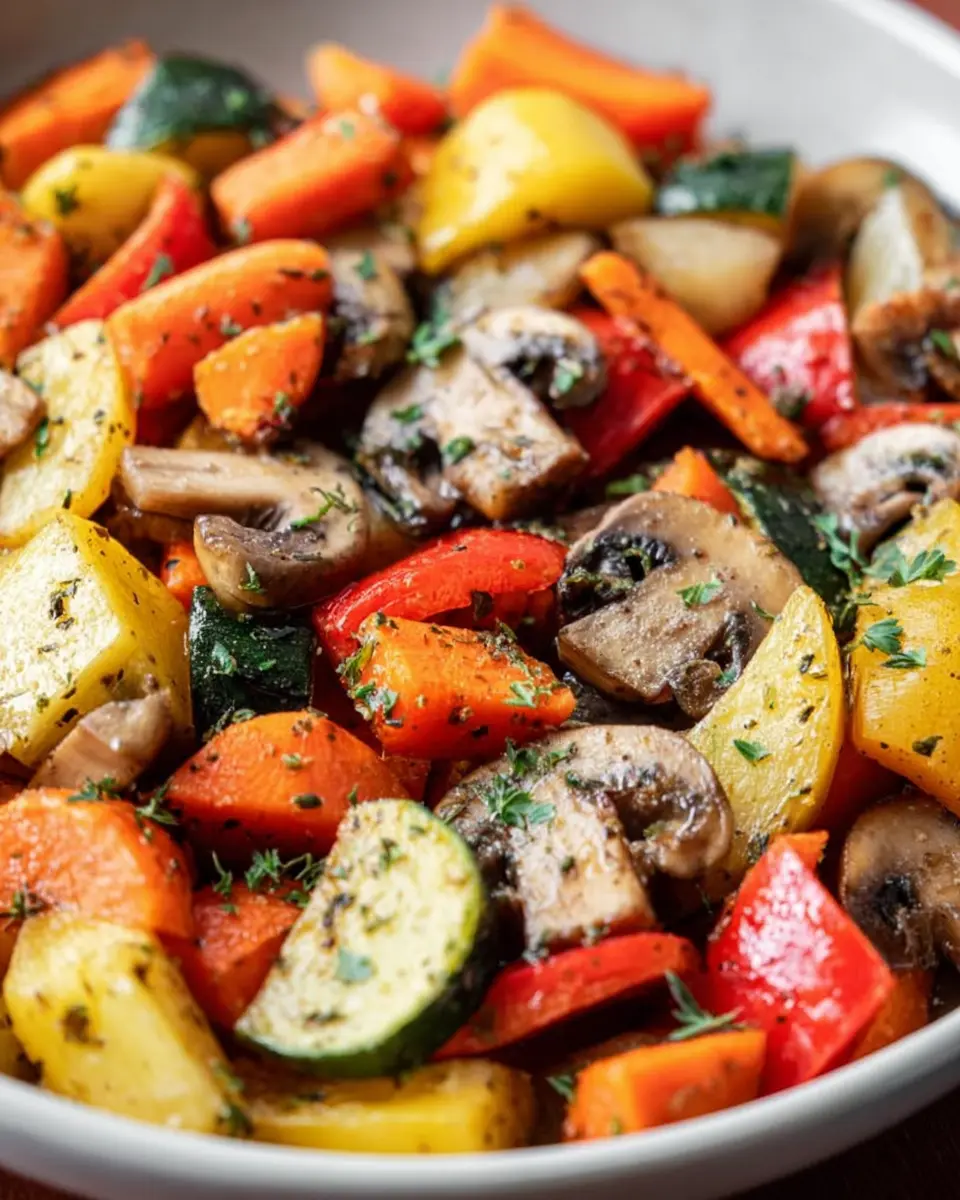
Ingredients for Simple Sautéed Vegetables
Essential Ingredients List
Creating a colorful and flavorful plate of simple sautéed vegetables is simple with these essential ingredients. Here’s what you’ll need:
- 3 carrots
- 1 zucchini
- 1 yellow squash
- ½ red bell pepper (or a whole one if you have it!)
- 1 tablespoon cooking oil (olive oil is a great choice!)
- Dried basil and oregano for herbal notes
- A hint of garlic powder
- Salt and freshly cracked black pepper to taste
- 1 tablespoon butter for richness
- Optional: Fresh parsley for garnish
These ingredients are not only affordable but easily found at your local grocery store or farmers' market.
Suggested Ingredient Substitutions
Feel free to make this recipe your own! Here are some substitutions you can try:
- Swap in other veggies like asparagus, broccoli, or snap peas for variety.
- Use coconut oil or sesame oil instead of cooking oil for a different flavor profile.
- If you don’t have dried herbs, fresh versions work well too—just double the amount!
Experimenting with different combinations can make your simple sautéed vegetables unique every time. Enjoy the cooking process!
Preparing Simple Sautéed Vegetables
Sautéed vegetables are not just a side dish; they’re a canvas for your culinary creativity! With the rainbow of colors and textures, they can easily elevate any meal. Let’s walk through the straightforward process of preparing these simple sautéed vegetables in just a few easy steps.
Prep Your Fresh Vegetables
Before jumping into cooking, it's essential to prep your fresh vegetables properly. For this recipe, you’ll need carrots, zucchini, yellow squash, and red bell pepper. Start by peeling the carrots and slicing them into even rounds to ensure uniform cooking. Then, for the zucchini and yellow squash, chop them into half-moons. Finish off by slicing the red bell pepper into strips. Having everything prepped beforehand makes the sautéing process much smoother!
Want to know the nutritional benefits of these vegetables? Check out Healthline's guide to vegetables.
Heat the Skillet and Add Oil
Now that your veggies are prepped, it’s time to get cooking! Place a skillet over medium-high heat and let it warm up until it's hot enough that a drop of water dances across the surface. Once it's sizzling, add about 1 tablespoon of cooking oil (olive or canola work well here) and swirl it around to cover the bottom. The oil acts as a medium and assists in cooking the vegetables without sticking.
Sauté Carrots to Start
Let’s focus on the carrots first! They need a bit more time to cook compared to the other vegetables. Add the sliced carrots to your hot skillet, and sauté them for about 2-3 minutes. This initial step helps to bring out their sweetness while giving them a tender-crisp texture.
Add Remaining Vegetables and Spices
Once the carrots have softened slightly, it’s time to add the rest of the veggies. Toss in your zucchini, yellow squash, and red bell pepper, along with a sprinkle of spices like dried basil, oregano, and a dash of garlic powder. Continue to sauté everything for another 2-3 minutes. You want your veggies to maintain some bite, so aim for a tender but still crisp pop when you bite into them!
Finish with Butter and Seasoning
To elevate the flavor of your simple sautéed vegetables, remove the skillet from the heat and mix in about 1 tablespoon of butter. The butter will melt and coat the veggies perfectly, adding richness. Don’t forget to season with a pinch of salt and freshly cracked black pepper to taste. If you have fresh parsley on hand, a sprinkle of that can add a vibrant touch right before serving.
And voilà! You’ve just created a beautiful, colorful dish that pairs well with virtually anything. Serve these simple sautéed vegetables alongside grilled chicken or toss them into a grain bowl for a hearty meal. Enjoy!
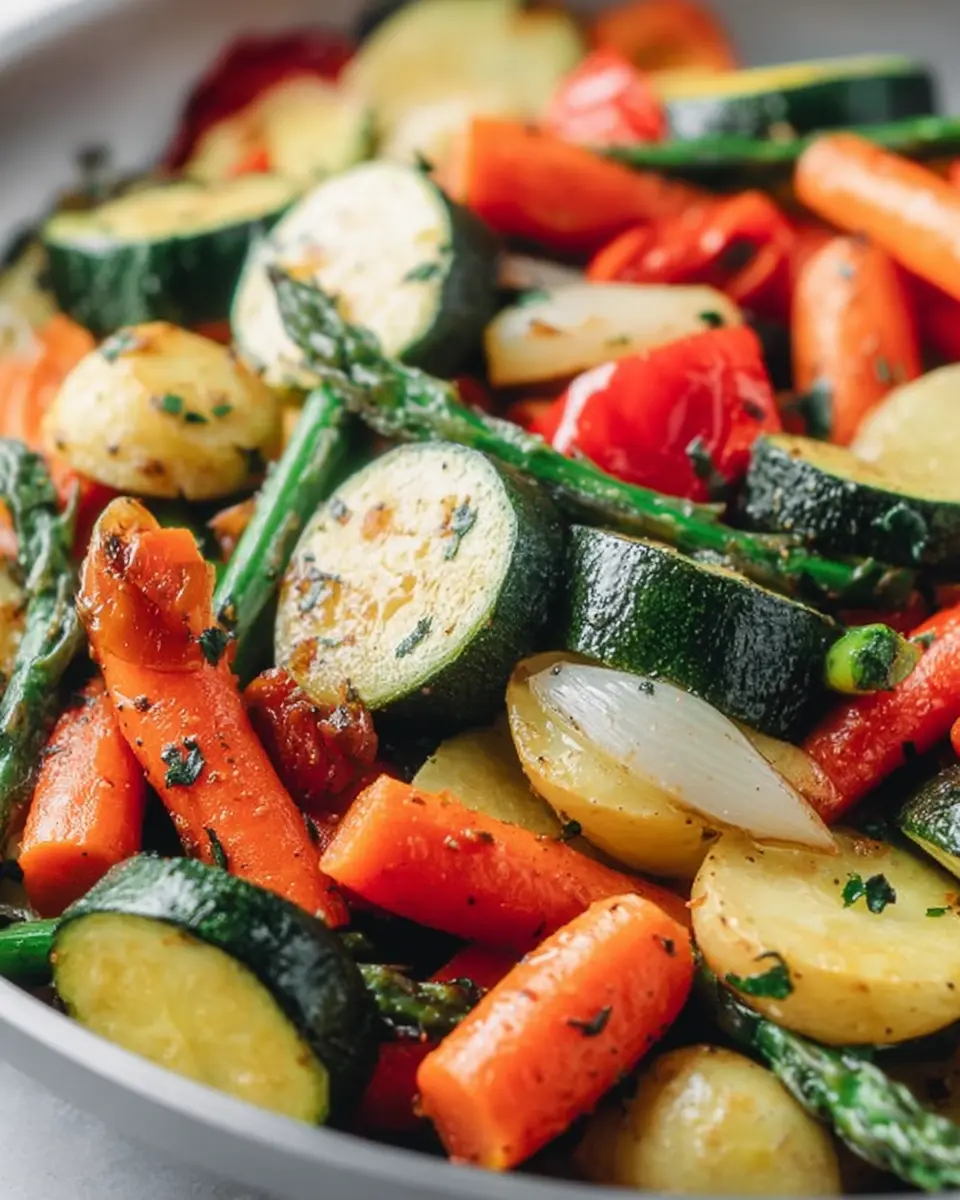
Variations on Simple Sautéed Vegetables
Seasonal Vegetable Variations
Why settle for the same old veggies? Embrace the flavors of each season by switching things up! In spring, think asparagus and snap peas; summer calls for vibrant bell peppers and fresh corn; autumn brings the earthy notes of Brussels sprouts and butternut squash, while winter is perfect for hearty root vegetables like parsnips and sweet potatoes. Each seasonal vegetable adds a unique taste and nutrition boost to your simple sautéed vegetables, keeping your meals exciting and colorful.
Adding Protein Options
Elevate your sautéed dish by introducing protein! Chicken, chicken ham, or even crunchy turkey bacon can easily transform your vegetable medley into a fulfilling main course. Simply sauté your chosen protein in a splash of olive oil before adding the veggies, celebrating flavor and nutrition in every bite. Not only does this variation enhance the overall meal, but it also makes meal prep more enjoyable! Want to explore more options? You can check out this guide to protein sources for ideas.
Cooking Tips for Simple Sautéed Vegetables
Getting the Perfect Sauté
To achieve the ideal texture for your simple sautéed vegetables, start with a hot skillet. Heating your pan over medium-high heat before adding oil will help caramelize the veggies, bringing out their natural sweetness. Remember to keep the vegetables moving; stirring them every minute ensures even cooking without burning. Aim to sauté until they’re just tender, maintaining a bit of crunch for that vibrant bite!
Adjusting Flavor Without Overpowering
While seasoning is key, it's essential to enhance, not overshadow, the vegetables’ natural flavors. A pinch of salt and a sprinkle of freshly cracked black pepper work wonders. If you want to experiment, consider adding citrus zest or fresh herbs like thyme or cilantro for a refreshing twist. Always taste as you go; this approach helps you adjust and find that perfect balance without overwhelming the dish!
For more expert tips on sautéing, check out the American Culinary Federation for insights from professionals.
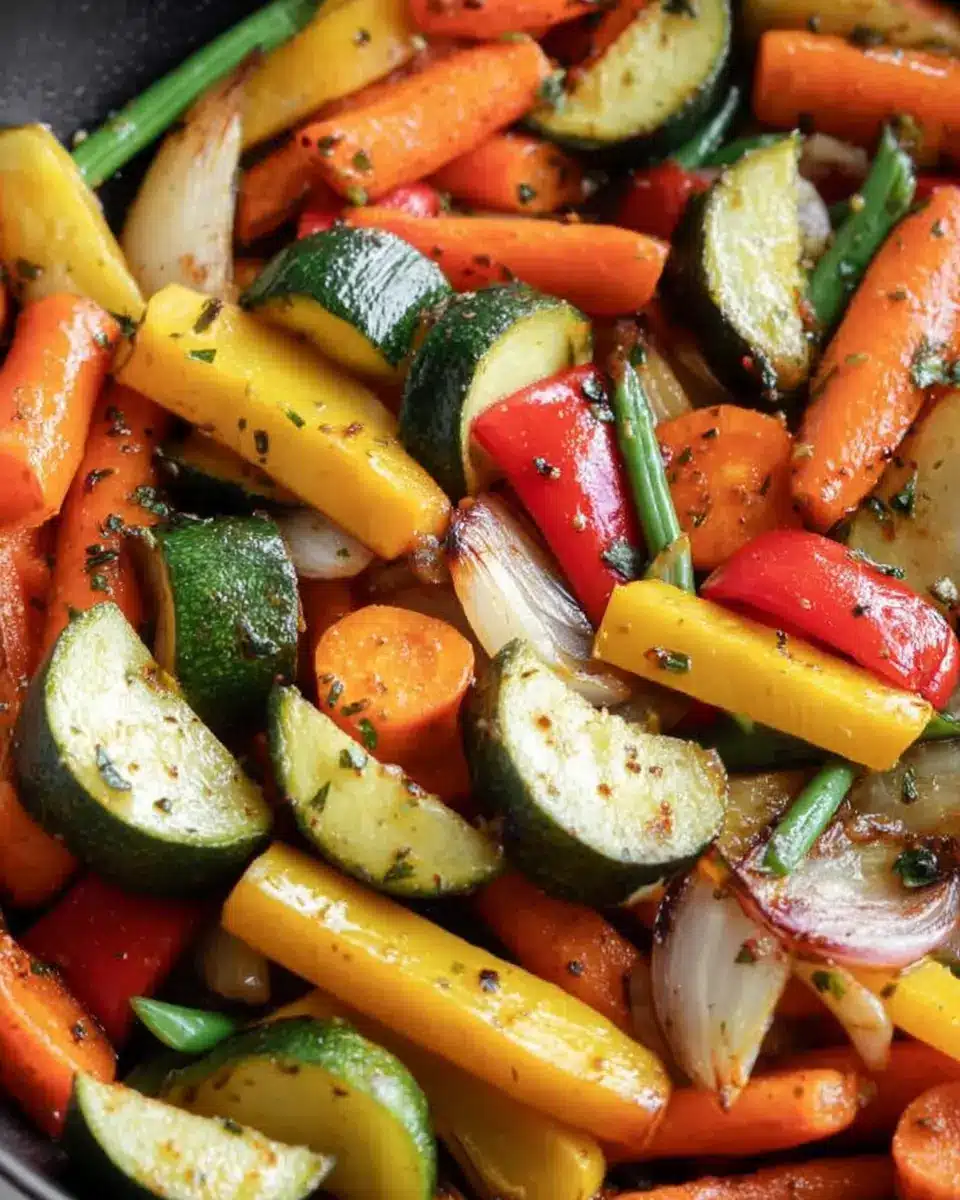
Serving Suggestions for Simple Sautéed Vegetables
Pairing with Main Dishes
The vibrant flavors of simple sautéed vegetables can enhance a variety of main dishes. Try serving them alongside grilled chicken or fish for a well-rounded meal. They also pair beautifully with turkey bacon or chicken ham for a savory twist. Additionally, consider tossing them over pasta or quinoa for a heartier vegetarian option—don’t forget to drizzle some balsamic glaze for an extra kick.
Creative Uses for Leftovers
If you have any leftovers, don’t fret! These sautéed veggies can be repurposed in numerous ways. Fold them into an omelette for a nutritious breakfast or mix them into a stir-fry with your favorite protein. They also make a delightful topping for flatbreads or pizzas. If you’re looking for a quick lunch, simply add them to a wrap with hummus. The possibilities are endless! Want to dive deeper into veggie creative uses? Check out this article on leftover hacks for more inspiration.
Time Breakdown for Simple Sautéed Vegetables
Preparation Time
In just 10 minutes, you'll have your vegetables prepped and ready to go! This includes peeling and slicing your carrots and chopping the zucchini, yellow squash, and bell pepper.
Cooking Time
Once everything is prepped, the cooking takes another 10 minutes. That’s all you need to sauté the vegetables to perfectly tender and flavorful perfection!
Total Time
All told, your simple sautéed vegetables will be ready in just 20 minutes. Perfect for a quick side dish during a busy weeknight dinner. It's quick, easy, and oh-so-satisfying!
For more tips on sautéing vegetables, check out resources from The Spruce Eats or explore EatingWell for additional cooking techniques.
Nutritional Facts for Simple Sautéed Vegetables
Calories per Serving
Each serving of simple sautéed vegetables contains approximately 102.55 calories. This makes it a great low-calorie option for anyone looking to add more veggies to their meals without sacrificing flavor!
Fiber Content
Packed with nutrition, these sautéed veggies offer about 3 grams of fiber per serving. Fiber is essential for digestion and can help keep you feeling full, making this dish both satisfying and healthy.
Vitamin Breakdown
You’ll also benefit from a range of essential vitamins, particularly:
- Vitamin A from carrots, supporting eye health.
- Vitamin C from bell peppers, which boosts your immune system.
- Vitamin K from zucchini, important for bone health.
For those who want to dive deeper into the nutritional benefits of vegetables, the USDA FoodData Central is a fantastic resource! Eating a variety of colorful vegetables not only beautifies your plate but also ensures a bounty of nutrients.
FAQs about Simple Sautéed Vegetables
What’s the best vegetable to sauté?
When it comes to simple sautéed vegetables, versatility is key! Consider using bell peppers, carrots, zucchini, and broccoli for a colorful mix. These veggies not only add flavor but also retain their crunch when sautéed. Feel free to experiment with your favorites or seasonal produce!
Can I make this ahead of time?
Absolutely! You can sauté your vegetables a day in advance. Simply reheat them in a skillet with a splash of water or oil to bring back their freshness. If you're prepping for meal prep, consider storing cooked vegetables in an airtight container in the refrigerator for 3-4 days.
How can I make my sautéed vegetables healthier?
To amp up the health factor of your simple sautéed vegetables, try these tips:
- Use a small amount of olive oil instead of butter.
- Add more herbs and spices like turmeric or cumin for flavor without calories.
- Toss in leafy greens like spinach for added nutrients.
These small changes can significantly boost the nutritional profile of your dish!
For more cooking tips, check out Healthline for great vegetables to incorporate into your meals!
Conclusion on Simple Sautéed Vegetables
Simple sautéed vegetables are a fantastic addition to any meal, offering a vibrant mix of flavors and nutrients. With just a few ingredients and minimal effort, you can create a delightful side dish that complements your main course perfectly. Enjoy experimenting with different veggies to keep things exciting!
Simple Sautéed Vegetables
Equipment
- Skillet
Ingredients
Vegetables
- 3 units carrots
- 1 unit zucchini
- 1 unit yellow squash
- 0.5 unit red bell pepper can use a full pepper
- 1 tablespoon cooking oil
- 0.25 teaspoon dried basil
- 0.125 teaspoon dried oregano
- 0.125 teaspoon garlic powder
- 0.125 teaspoon salt
- 0.125 teaspoon freshly cracked black pepper
- 1 tablespoon butter
- 1 tablespoon chopped fresh parsley optional
Instructions
Preparation and Cooking Steps
- Peel and slice the carrots. Chop the zucchini and yellow squash into half-rounds. Slice the bell pepper.
- Heat the skillet over medium-high. Once the skillet is very hot, add the cooking oil and swirl to coat the surface. Add the sliced carrots and sauté for about 2-3 minutes.
- Next, add the bell pepper, zucchini, squash, basil, oregano, and garlic powder. Continue to sauté for 2-3 minutes more, or just until the vegetables begin to soften.
- Once the vegetables have just begun to soften, remove the skillet from the heat. Add the butter and toss until it has melted and coated the vegetables.
- Finally, season with a pinch of salt and pepper, give them a taste and adjust the salt or pepper as needed. Garnish with fresh chopped parsley just before serving.




Leave a Reply