
Introduction to Stewed Summer Squash
Stewed summer squash is more than just a side dish; it’s a culinary embrace that every young professional should indulge in. Picture this: after a long day at work, you yearn for something comforting yet easy to prepare. This dish checks all the boxes—it’s quick, vibrant, and packed with flavor, transforming ordinary ingredients into a delightful meal.
With summer squashes like zucchini and yellow squash being plentiful, you'll not only enjoy these seasonal beauties but also benefit from their nutritional value. These squashes are low in calories yet high in vitamins A and C, potassium, and dietary fiber. It's no wonder that incorporating more vegetables into your diet is an excellent recommendation from nutritionists—check out resources from the American Heart Association for more insights.
What’s fantastic about stewed summer squash is its versatility. Whether you’re looking for a light dinner, a complementary side for grilled chicken, or a chilled salad topping, this dish adapts effortlessly. Plus, it can be served warm or at room temperature, making it perfect for meal prep or shared gatherings with friends.
Give stewed summer squash a try, and you may just find a new favorite culinary staple!
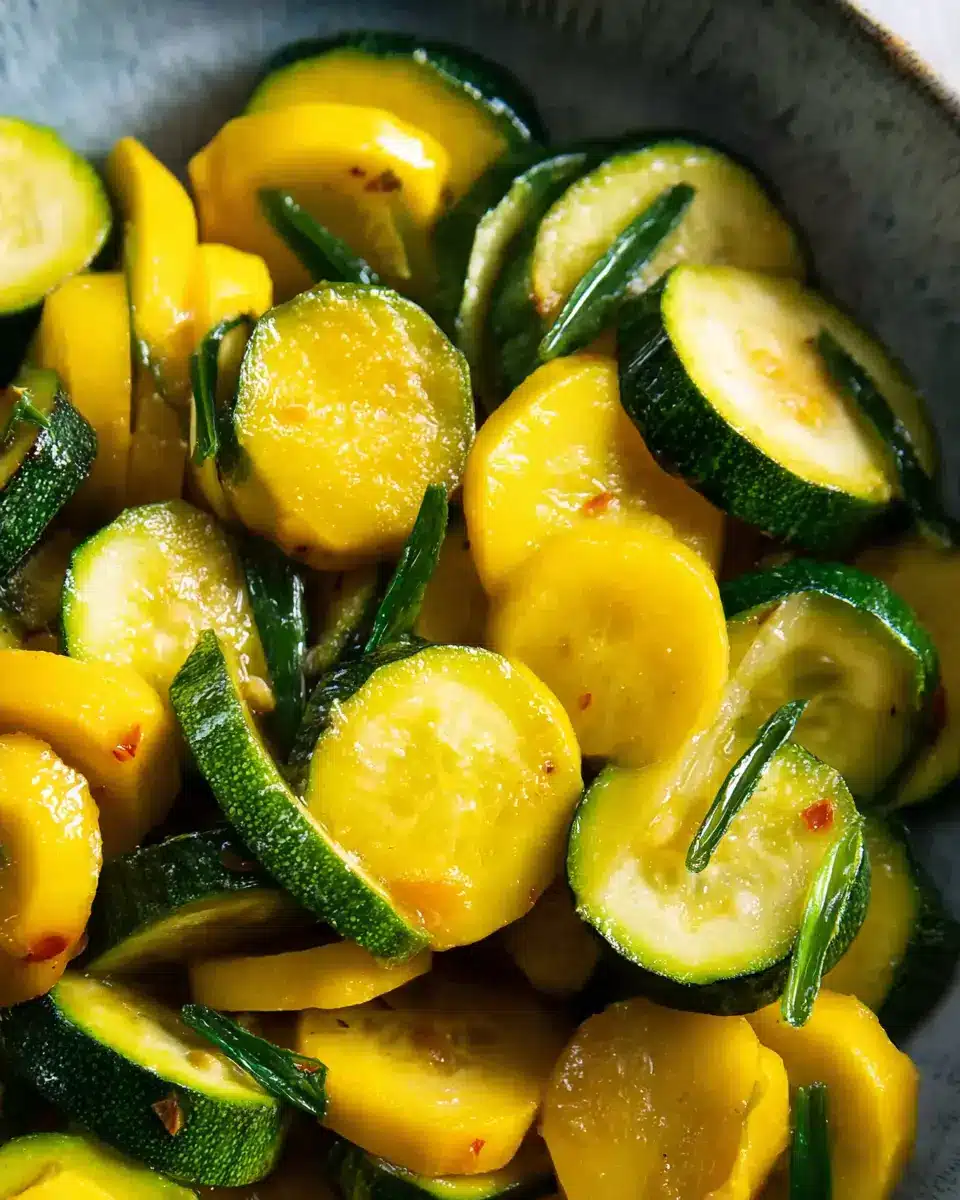
Ingredients for Stewed Summer Squash
Essential ingredients for a delightful dish
Creating a tasty dish of Stewed Summer Squash starts with some fresh, quality ingredients. Here’s what you’ll need:
- ¼ cup (60 ml) extra-virgin olive oil: This is perfect for sautéing and adds a rich flavor.
- 3 or 4 medium cloves garlic, crushed: Ideal for bringing depth to your dish.
- 3 pounds (1.4 kg) mixed summer squash: Think zucchini, yellow squash—small and young are best!
- Kosher salt: Enhances the natural sweetness of the squash.
- 10 to 15 basil leaves, torn: Fresh basil elevates the dish with its aromatic essence.
Have fun exploring local farmer’s markets for those vibrant vegetables that make this dish sing!
Optional ingredients for customization
Feel free to personalize your stewed summer squash with some optional ingredients. Here are a few suggestions to cater to your taste:
- Onions: Adding diced onions can enhance the flavor base.
- Bell Peppers: Throw in some colorful bell peppers for extra crunch and nutrition.
- Cheese: A sprinkle of parmesan or feta adds a creamy texture.
- Herbs: Experiment with thyme or oregano for a twist on traditional basil.
These small tweaks allow you to tailor the dish to your palate. For other creative ideas, check out more vegetable recipes that can complement stewed dishes nicely!
Preparing Stewed Summer Squash
When summer hits, the bounty of fresh vegetables makes its way to our kitchens, and stewed summer squash is a delightful way to make the most of this seasonal ingredient. Here’s how to prepare this flavorful dish with ease and enjoyment.
Gather Your Ingredients and Tools
Before diving into the cooking process, ensure you have everything you need at your fingertips. Here’s what you’ll need:
- ¼ cup (60 ml) extra-virgin olive oil, plus a drizzle for serving
- 3 to 4 medium cloves of garlic, crushed
- 3 pounds (1.4 kg) of mixed summer squash such as zucchini and yellow squash, nicely washed and cut into 1-inch rounds
- Kosher salt for seasoning
- A handful of fresh basil leaves, about 10 to 15, torn into pieces
Make sure you have a large Dutch oven or a sizable pot, as this will be essential for cooking your stewed squash effectively.
Heat the Olive Oil and Infuse with Garlic
Start by warming the olive oil over medium heat in your Dutch oven. As it heats, toss in the crushed garlic and stir occasionally. You want to monitor the garlic closely to ensure it becomes soft and fragrant without browning too much. This process usually takes around four minutes. The aromas wafting through your kitchen at this stage will make your stomach growl with anticipation!
Add the Summer Squash to the Pot
Once your garlic is just beginning to turn a light golden hue, it’s time to welcome the star of the show—the summer squash! Toss those beautifully arranged pieces into the pot and raise the heat to medium-high. Stir them gently but consistently for about 10 minutes. The goal is for the squash to become plump and tender. If you notice them starting to brown, don’t hesitate to reduce the heat slightly. Remember, you want them to cook gently!
Season and Cook Until Tender
While your squash cooks, it’s the perfect time to season with a pinch of kosher salt. This will enhance their natural flavors and leave your taste buds dancing! Keep an eye on your squash—they should soften beautifully, transforming into a deliciously vibrant medley.
Stir in Fresh Basil for Flavor
When the squash is tender, add in those torn basil leaves. Stir gently and give it just one more minute on the heat. The basil will release its aromatic oils into the mix, creating a bouquet of flavors typical of summer.
Once done, you can serve your stewed summer squash warm or cooled to room temperature for a refreshing dish. A drizzle of fresh olive oil just before serving takes it to the next level! Enjoy this delightful side with grilled meats or even on its own as a light meal.
For more recipes and creative ideas, check out Food Network for healthy summer inspiration!
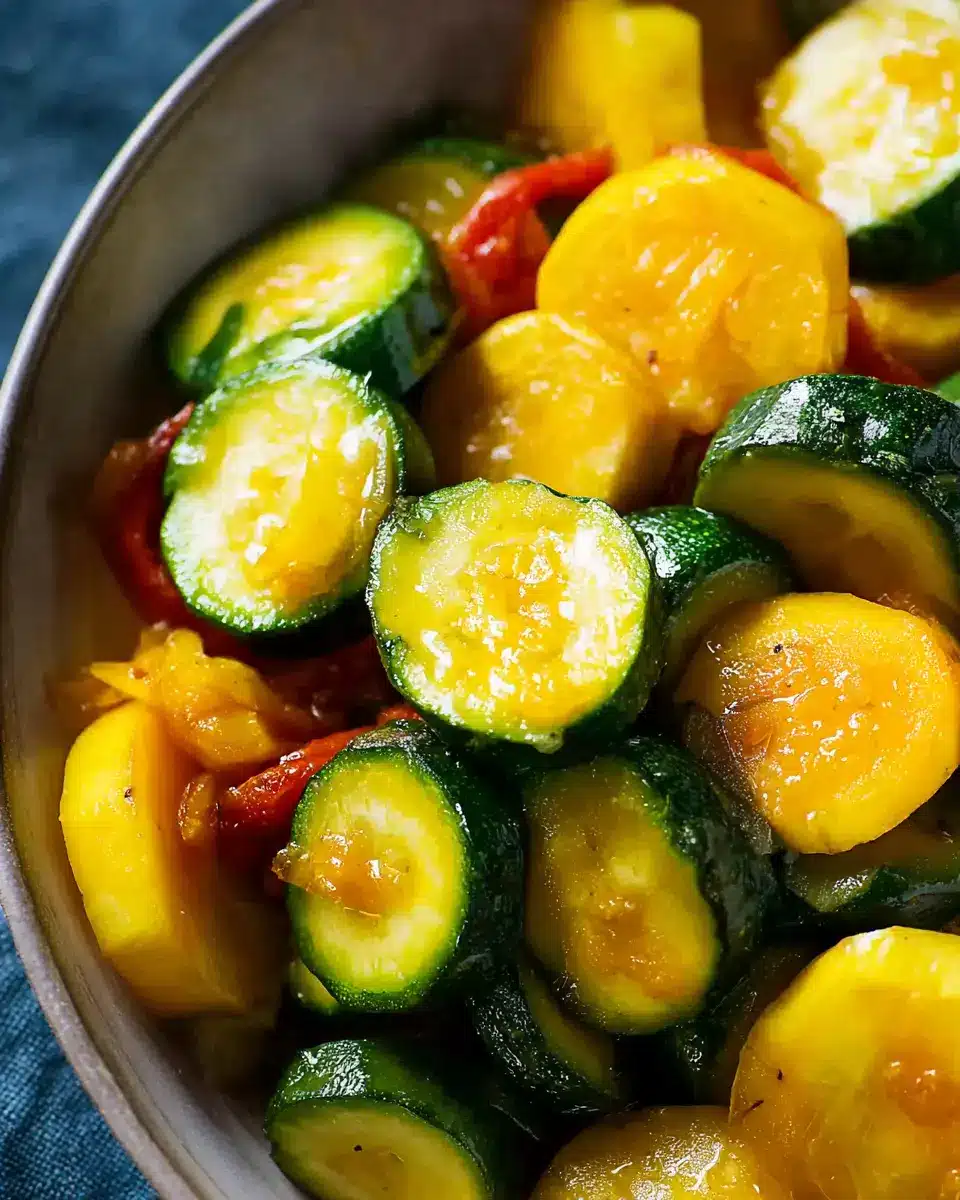
Variations on Stewed Summer Squash
Add Other Vegetables for a Medley
Don't hesitate to create a vibrant vegetable medley! Toss in fresh diced tomatoes, bell peppers, or even some sweet corn for added sweetness and texture. Mixing different veggies not only enhances the dish but also packs in nutrients. Did you know that adding more colors to your plate can boost your intake of essential vitamins? You can find some great ideas on veggie combinations here.
Spice It Up with Herbs and Chili Flakes
Elevate your stewed summer squash by experimenting with herbs or a sprinkle of chili flakes. Fresh dill, oregano, or thyme can add depth to the flavor, while chili flakes can give it that coveted spicy kick. If you’re feeling adventurous, a dash of smoked paprika can bring a smoky undertone that perfectly complements the squash. Don't shy away from getting creative with your spices—the best dishes often come from a little experimentation!
Cooking tips and notes for Stewed Summer Squash
Importance of using fresh, young squash
When it comes to stewed summer squash, freshness is key. Opt for young squash as they tend to be more tender and flavorful. Look for firm squash with glossy skin—this indicates steered clear of age and a bitter taste. Visiting local farmers' markets can often yield the freshest varieties.
Adjusting cooking times for different varieties
Each variety of squash cooks differently, so your timing may vary. For instance, zucchini tends to soften quicker than yellow squash. Gently adjust your cooking times based on how thick or dense the squash is to ensure perfect tenderness. Always taste as you go; trust your palate!
For more on selecting squash, check out resources from The Kitchn.
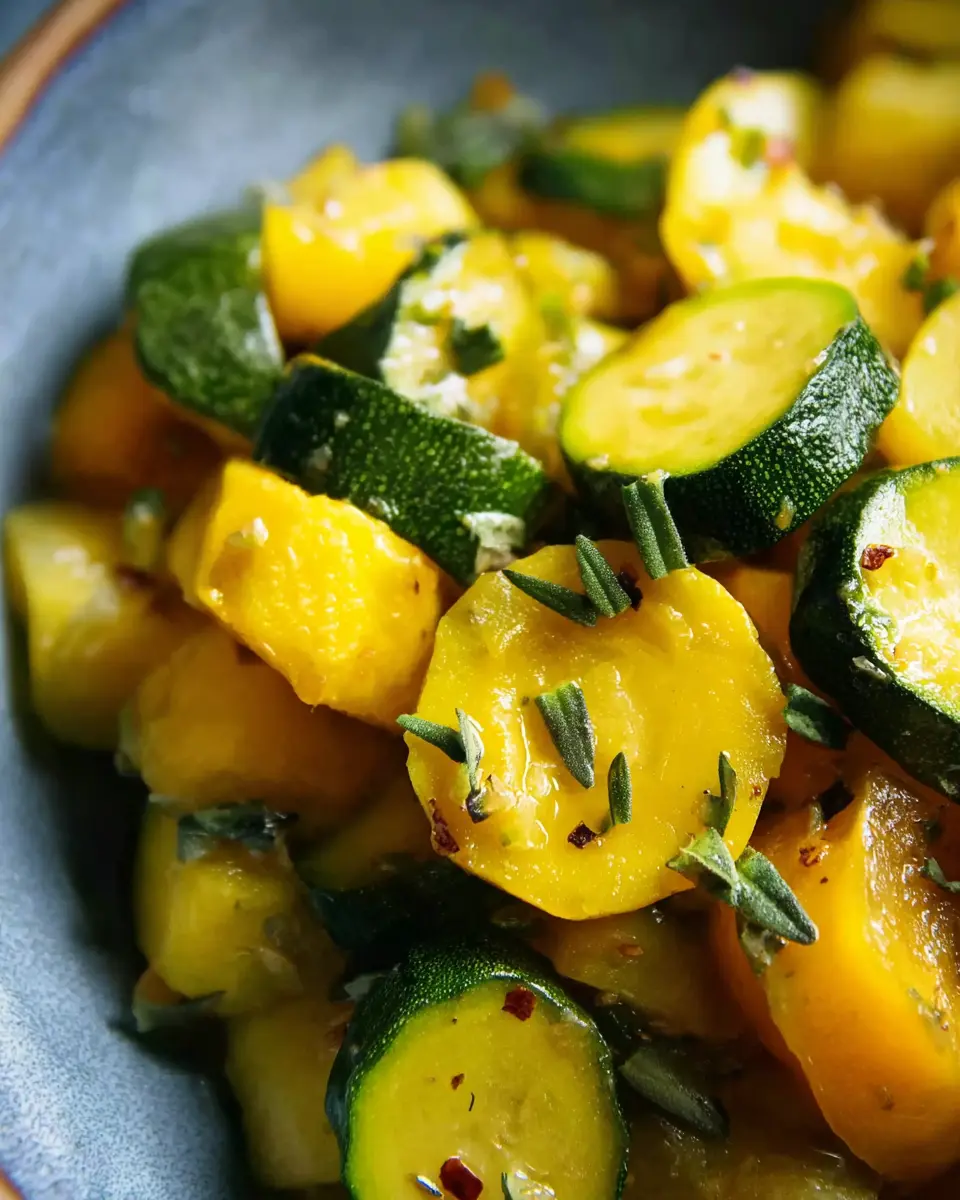
Serving suggestions for Stewed Summer Squash
Pair with proteins for a complete meal
Elevate your dish by pairing stewed summer squash with proteins. Think grilled chicken, turkey bacon, or a succulent fillet of fish. These choices not only enhance the flavor but also add nutritional depth. If you're in the mood for something plant-based, chickpeas or tofu can be excellent alternatives. Just imagine the satisfying combination of tender squash and a protein-rich counterpart creating a balanced meal!
Great as a side dish or over grains
Stewed summer squash shines on its own but also makes for a fantastic side dish. Serve it alongside your favorite grains like quinoa, farro, or brown rice for a wholesome experience. This combo not only provides different textures but also delivers an array of flavors. You could even top a warm grain bowl with the squash, sprinkle it with fresh herbs, and enjoy a delightful vegetarian feast. For more ideas on grains, check out Healthline's article.
Time Breakdown for Stewed Summer Squash
Preparation Time
Getting ready to make stewed summer squash is a breeze! You’ll need about 10 minutes for washing, trimming, and cutting your squash into bite-sized rounds. Don’t rush this step; a little attention here means rich flavors later on.
Cooking Time
Once your ingredients are prepped, it’s all about the heat. The actual cooking will take about 10 minutes. Your kitchen will soon be filled with the delightful aroma of garlic and fresh basil—trust me, it’s worth the wait!
Total Time
In total, you’re looking at just 20 minutes from start to finish. Yes, you heard that right! In less than half an hour, you can have a delicious side dish that’s perfect for any meal or gathering. Quick meals don’t have to sacrifice taste!
If your interest is piqued, you might want to explore more on the versatility of summer squash here. Get ready to impress your friends and family with this efficient and tasty dish!
Nutritional Facts for Stewed Summer Squash
Calories
A serving of stewed summer squash contains approximately 80 calories. This makes it a great option if you're looking to enjoy a flavorful dish without the calorie overload.
Carbs
This dish is low in carbohydrates, with about 10 grams per serving. The primary source of energy comes from the squash itself, which is light yet satisfying.
Vitamins and Minerals
Stewed summer squash is a powerhouse of nutrition, providing essential vitamins and minerals including vitamin A, vitamin C, potassium, and magnesium. These nutrients support everything from immune function to muscle health, making it not just a delicious side but also a wise choice for your diet.
For those wanting to delve deeper into the health benefits of summer squash, the USDA offers fascinating insights on their nutritional values. When you savor this dish, you're not just indulging but nurturing your body too!
FAQs about Stewed Summer Squash
Can I use frozen squash for this recipe?
Absolutely! While fresh is always a great option, you can use frozen squash in stewed summer squash recipes. Just be aware that frozen squash tends to have a softer texture once thawed. To maintain the best flavor, consider sautéing the squash a bit longer to enhance its taste. If you're in a hurry, frozen squash is a convenient alternative!
What are the best squash varieties for stewing?
When it comes to stewed summer squash, you can't go wrong with varieties like zucchini and yellow squash. These types tend to be tender, flavorful, and hold up well to stewing. For a twist, try adding pattypan or crookneck squash for added texture and color. And don’t forget to consult this guide on summer squash varieties for more ideas!
How do I store leftover stewed summer squash?
Storing your stewed summer squash is easy! Allow any leftovers to cool down, then transfer them to an airtight container. They can be safely stored in the refrigerator for up to 3 days. If you want to keep them longer, consider freezing for up to 2 months. Just remember to reheat gently to retain their delicious flavor!
Conclusion on Stewed Summer Squash
Embracing Fresh Flavors for a Healthier Lifestyle
Stewed summer squash not only celebrates the crisp, vibrant taste of fresh vegetables, but it also embodies a commitment to healthier eating habits. Packed with vitamins and low in calories, this dish is perfect for anyone looking to make flavorful yet nutritious choices. Enjoy it warm or chilled, and savor your journey toward a fresher diet.
Stewed Summer Squash
Equipment
- Dutch oven
Ingredients
- ¼ cup extra-virgin olive oil plus more for drizzling
- 3-4 cloves garlic crushed
- 3 pounds mixed summer squash washed, ends trimmed, cut into 1-inch rounds
- Kosher salt
- 10-15 leaves basil torn
Instructions
- In a large Dutch oven, heat olive oil with garlic over medium heat, stirring occasionally, until garlic is softened, fragrant, and just beginning to turn golden, about 4 minutes.
- Add squash, increase heat to medium-high, and cook, stirring occasionally, until squash is plump and tender throughout, about 10 minutes; reduce heat at any point if squash begins to sear and brown. Season with salt.
- Stir in basil leaves and cook for 1 minute longer. Remove from heat and drizzle with fresh olive oil. Serve warm, at room temperature, or chilled.




Leave a Reply